Introduction
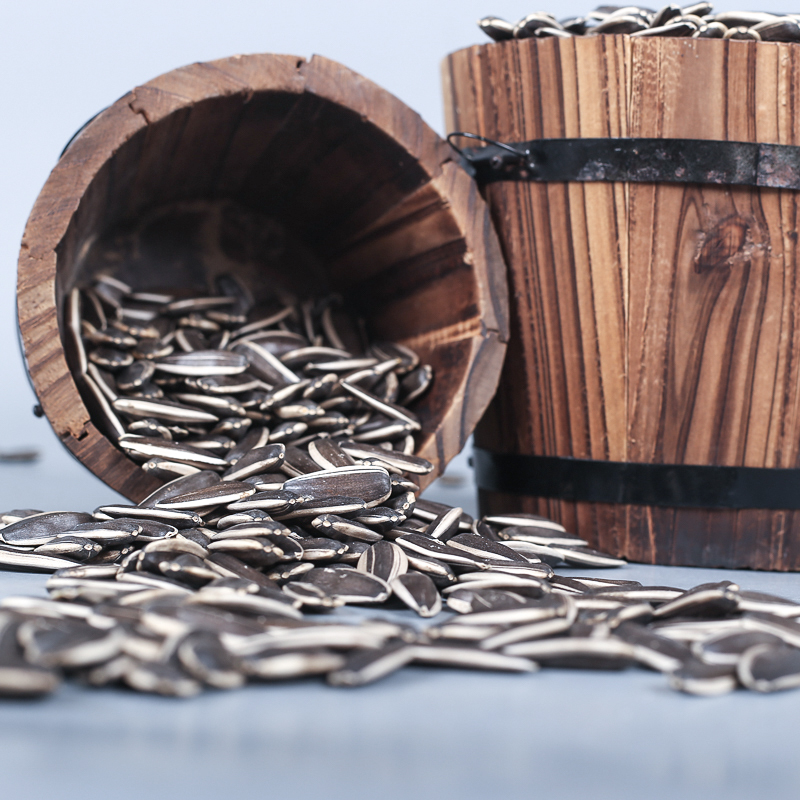
Sunflower seeds ( Helianthus annuus) are the fruit of the sunflower, gaining prominence not simply as a snack but increasingly as a component within weight management strategies. This technical guide provides an in-depth analysis of sunflower seeds concerning their efficacy in weight loss, focusing on their nutritional profile, physiological effects, manufacturing considerations, and potential failure modes within a dietary context. Their position within the food industry chain lies between agricultural production and consumer packaged goods, demanding stringent quality control from sourcing to final product. Core performance metrics relate to macronutrient composition (fat, protein, carbohydrate), fiber content, and the bioavailability of essential nutrients, impacting satiety, metabolic rate, and overall caloric balance. While often touted for their health benefits, a nuanced understanding of their lipid profile and potential for overconsumption is crucial for optimizing their role in weight loss protocols.
Material Science & Manufacturing
Sunflower seeds are comprised primarily of lipid (35-55%), protein (20-25%), carbohydrates (15-20%), fiber (5-10%), and moisture (5-10%), varying depending on cultivar and growing conditions. The lipid fraction is dominated by linoleic acid (omega-6) and oleic acid (omega-9), both polyunsaturated and monounsaturated fatty acids respectively. The protein fraction contains essential amino acids, though bioavailability can be limited by the presence of phytates. The seed hull, or pericarp, provides structural integrity and contributes to fiber content. Manufacturing processes begin with harvesting and drying to reduce moisture content, preventing fungal growth and facilitating shelling. Shelling removes the protective outer layer, typically through mechanical abrasion. Seeds are then graded based on size, color, and quality, removing damaged or discolored seeds. Roasting is a common post-processing step, enhancing flavor and increasing shelf life, but also potentially impacting lipid oxidation. Key parameter control during roasting focuses on temperature (120-180°C) and duration to minimize the formation of harmful compounds like acrylamide. Oil extraction via pressing or solvent extraction yields sunflower oil, a byproduct with distinct applications. Packaging materials impact shelf life; airtight, opaque packaging protects against oxidation and moisture absorption.
Performance & Engineering
The efficacy of sunflower seeds in weight loss hinges on several performance characteristics. Their high fiber content contributes to increased satiety, reducing overall caloric intake. The protein content aids in preserving lean muscle mass during caloric restriction, critical for maintaining metabolic rate. The presence of magnesium supports metabolic processes and energy production. However, the high caloric density (approximately 165 calories per ounce) necessitates portion control. Environmental resistance concerns primarily relate to lipid oxidation, leading to rancidity and decreased nutritional value. This is accelerated by exposure to oxygen, light, and heat. Compliance requirements include adherence to food safety regulations (e.g., HACCP, GMP) and labeling standards regarding nutritional information and allergen declarations. From a physiological perspective, the impact of sunflower seed consumption on gut microbiota composition is an emerging area of research. The fiber and polyphenols can promote the growth of beneficial bacteria, potentially improving metabolic health. Force analysis isn't directly applicable to the seeds themselves, but is relevant to packaging integrity – the packaging must withstand handling and transportation stresses without compromising seed quality. The bioavailability of nutrients is also a key engineering consideration; processing methods can impact nutrient absorption rates.
Technical Specifications
| Parameter | Unit | Typical Value | Testing Method |
|---|---|---|---|
| Moisture Content | % | 6-8 | Oven Drying (AOAC 925.10) |
| Fat Content | % | 40-50 | Soxhlet Extraction (AOAC 920.39) |
| Protein Content | % | 20-25 | Kjeldahl Method (AOAC 920.87) |
| Fiber Content | % | 5-10 | Enzymatic Gravimetric Method (AOAC 985.29) |
| Linoleic Acid Content | % of Total Fat | 50-70 | Gas Chromatography (GC-FID) |
| Oleic Acid Content | % of Total Fat | 15-30 | Gas Chromatography (GC-FID) |
Failure Mode & Maintenance
Failure modes related to sunflower seeds in the context of weight loss primarily concern degradation of nutritional quality and palatability. Lipid oxidation is a major concern, leading to rancidity and reduced omega-3/omega-6 ratio. This is evidenced by off-flavors and decreased vitamin E content. Mechanical damage during processing or handling can cause seed cracking, increasing surface area and accelerating oxidation. Prolonged exposure to moisture promotes fungal growth, leading to mycotoxin contamination (e.g., aflatoxins). In a dietary context, “failure” can manifest as inadequate satiety due to improper portion sizes, or negative metabolic effects from excessive omega-6 intake. Maintenance strategies involve airtight packaging with nitrogen flushing to minimize oxygen exposure, storage in a cool, dark, and dry environment, and regular quality control testing for lipid peroxidation (Peroxide Value, Anisidine Value) and mycotoxin levels. Consumers should be educated on proper storage techniques and portion control. Addressing potential phytate interference with mineral absorption can be mitigated by combining sunflower seed consumption with vitamin C rich foods.
Industry FAQ
Q: What is the impact of roasting on the omega-3 to omega-6 ratio in sunflower seeds?
A: Roasting, particularly at high temperatures and prolonged durations, can degrade polyunsaturated fatty acids, including omega-3s, at a faster rate than omega-6s. This can exacerbate the existing imbalance in the omega-6 to omega-3 ratio, potentially promoting inflammation. Light roasting, or consuming raw seeds, are preferable for preserving the omega-3 content.
Q: How do sunflower seeds compare to other nuts and seeds regarding their suitability for a weight loss diet?
A: Sunflower seeds are generally higher in fat and calories per serving than many other nuts and seeds like chia seeds or flaxseeds. However, their fiber and protein content offer satiety benefits. Compared to almonds, they have a similar caloric density but a slightly different fatty acid profile. A balanced approach incorporating a variety of nuts and seeds is recommended.
Q: Are there any allergenic concerns associated with sunflower seeds?
A: Yes, sunflower seed allergy is a recognized allergy, although it is less common than allergies to tree nuts or peanuts. Symptoms can range from mild oral allergy syndrome to severe anaphylaxis. Proper labeling is essential.
Q: What is the role of phytates in sunflower seeds and how can their effects be minimized?
A: Phytates are compounds found in sunflower seeds that can bind to minerals like iron, zinc, and calcium, reducing their bioavailability. Soaking, sprouting, or fermenting the seeds can reduce phytate content. Consuming vitamin C rich foods alongside sunflower seeds can also enhance mineral absorption.
Q: How does the shell impact the nutritional profile and digestibility of sunflower seeds?
A: The shell (pericarp) is primarily fiber, contributing to the overall fiber content of the seed. It's largely indigestible by humans. Shelled sunflower seeds are generally preferred for maximizing nutrient absorption, as the shell doesn't contribute significant nutritional value and can potentially reduce the digestion of the kernel.
Conclusion
Sunflower seeds, when incorporated strategically into a balanced diet, can contribute to weight loss efforts through their fiber and protein content promoting satiety and supporting lean muscle mass. However, their high caloric density necessitates careful portion control. Understanding the impact of processing techniques, particularly roasting, on lipid oxidation and nutrient profile is crucial for maximizing their benefits.
Future research should focus on optimizing processing methods to minimize lipid degradation, investigating the effects of sunflower seed consumption on gut microbiota composition, and exploring personalized dietary recommendations based on individual metabolic responses. A comprehensive approach, considering the complete nutritional context and individual needs, is paramount to unlocking the full potential of sunflower seeds as a component of a sustainable weight management strategy.
