Introduction
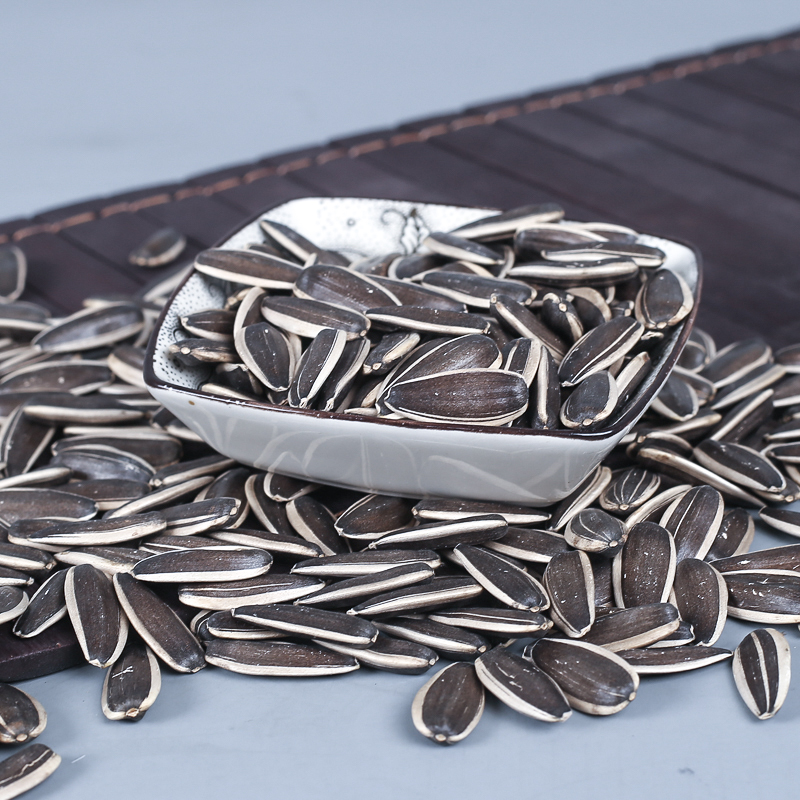
Sunflower seeds ( Helianthus annuus), in the context of nutritional food manufacturing, represent a high-value agricultural commodity undergoing significant processing to enhance palatability, shelf-life, and nutritional bioavailability. This technical guide details the manufacturing processes, material science aspects, performance characteristics, failure modes, and relevant standards pertaining to the production of sunflower seeds intended for weight management and general health applications. The industry chain begins with agricultural cultivation and harvesting, progresses through cleaning, dehulling, grading, drying, roasting or seasoning, packaging, and finally, distribution. Core performance metrics include oil content, protein levels, fiber composition, and the presence of bioactive compounds like Vitamin E and linoleic acid. A key challenge is maintaining seed integrity during processing to minimize lipid oxidation and preserve nutritional value, while simultaneously addressing the needs of consumer expectations regarding taste and texture.
Material Science & Manufacturing
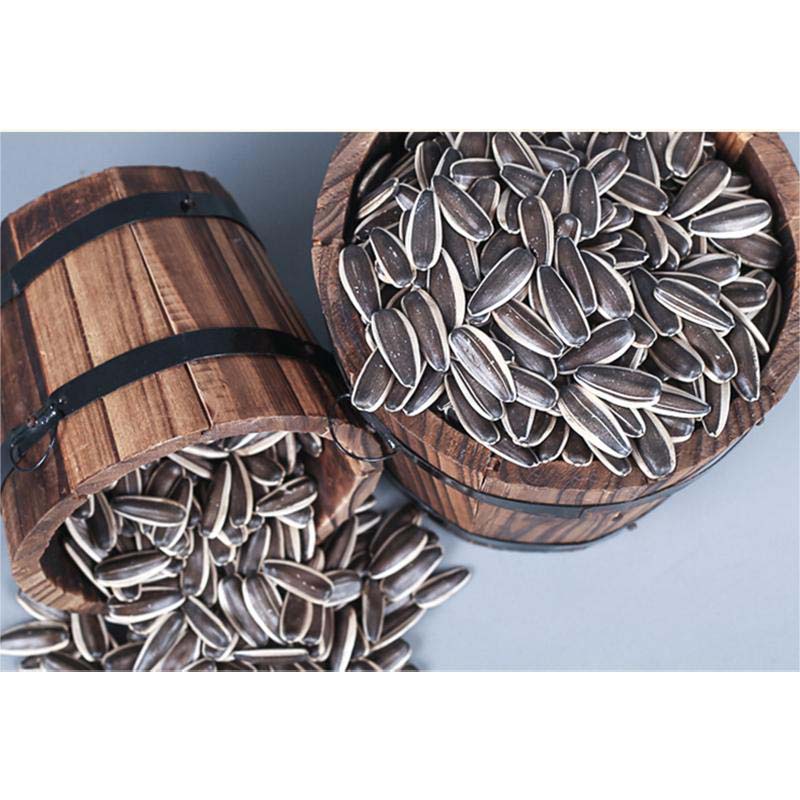
The primary raw material, sunflower seeds, comprises a hull (approximately 20-30% by weight), kernel (60-70%), and embryo (10-15%). The kernel’s composition is crucial: typically 40-55% oil (predominantly linoleic acid), 18-25% protein, 5-10% fiber, and varying levels of vitamins and minerals. Manufacturing begins with cleaning to remove debris (stalks, leaves, soil). Dehulling, a critical step, can be mechanical (impact/abrasion) or chemical (steaming followed by mechanical separation). Mechanical dehulling demands precise calibration to minimize kernel damage, impacting oil yield and quality. Drying is essential to reduce moisture content to 8-10%, inhibiting microbial growth and facilitating storage. This is typically achieved using fluidized bed dryers or tunnel dryers, carefully controlling temperature (40-60°C) to avoid protein denaturation. Roasting enhances flavor and texture, employing controlled heating profiles to develop desired characteristics. Seasoning involves applying salt, spices, or coatings, requiring uniform distribution to ensure consistent product quality. Critical parameters during seasoning include coating adhesion, seasoning load, and preventing clumping. Packaging utilizes materials providing moisture and oxygen barriers (typically multilayer films – PET/PE or PET/Al/PE) to extend shelf life. Material compatibility is paramount; the packaging film must not interact with the seed oils or leach undesirable compounds.
Performance & Engineering
The performance of sunflower seeds in weight management applications is directly tied to their nutritional profile and its impact on satiety and metabolic processes. High fiber content contributes to increased fullness, reducing overall caloric intake. The oil profile, rich in linoleic acid (an essential fatty acid), supports healthy lipid metabolism. Engineering considerations center on maintaining this nutritional integrity throughout processing. Force analysis is vital during dehulling; excessive force leads to kernel fracture, increasing free fatty acid content and accelerating rancidity. Environmental resistance, particularly humidity, significantly affects shelf life. Moisture ingress promotes lipid oxidation and fungal growth. Packaging engineering must therefore prioritize moisture barrier properties. Compliance requirements include adherence to food safety regulations (FDA in the US, EFSA in Europe) regarding allowable levels of contaminants (aflatoxins, pesticides) and accurate nutritional labeling. Functional implementation involves optimizing roasting profiles for maximizing flavor development while minimizing acrylamide formation (a potential carcinogen). This requires precise temperature control and monitoring of reaction kinetics.
Technical Specifications
| Parameter | Specification | Test Method | Tolerance |
|---|---|---|---|
| Oil Content (Dry Basis) | 40-55% | Soxhlet Extraction (AOAC 920.39) | +/- 2% |
| Protein Content (Dry Basis) | 18-25% | Kjeldahl Method (AOAC 920.87) | +/- 1.5% |
| Moisture Content | 8-10% | Oven Drying (AOAC 925.09) | +/- 0.5% |
| Free Fatty Acid (FFA) Content | <0.5% | Titration (ISO 660) | +/- 0.1% |
| Peroxide Value (PV) | <5 meq O2/kg | Titration (ISO 3960) | +/- 1 meq O2/kg |
| Aflatoxin B1 | <2 ppb | HPLC (AOAC 999.09) | N/A |
Failure Mode & Maintenance
Sunflower seeds are susceptible to several failure modes. Lipid oxidation, leading to rancidity, is a primary concern, accelerated by exposure to oxygen, light, and elevated temperatures. Kernel cracking during dehulling reduces yield and increases susceptibility to oxidation. Hulling incompleteness results in bitter taste and reduced palatability. Microbial contamination (molds, yeasts) can occur during storage, particularly in high-humidity environments, generating mycotoxins like aflatoxins. Packaging failure (leaks, punctures) compromises product integrity. Maintenance involves rigorous cleaning and sanitation of processing equipment to prevent microbial growth. Proper storage conditions (cool, dry, dark) are crucial to minimize oxidation. Regular monitoring of FFA and PV levels provides an indication of lipid oxidation status. Dehulling equipment requires periodic calibration and maintenance to minimize kernel damage. Quality control checks at each stage of processing are essential to identify and address potential failures promptly. Preventive maintenance schedules should incorporate bearing lubrication, belt tension adjustments, and sensor calibration to ensure optimal equipment performance.
Industry FAQ
Q: What measures can be taken to minimize acrylamide formation during roasting?
A: Acrylamide formation is influenced by roasting temperature and moisture content. Lowering the roasting temperature and increasing the initial moisture content of the seeds can significantly reduce acrylamide levels. Optimizing roasting time is also crucial. Implementing a rapid cooling step after roasting helps to terminate the reaction.
Q: How do different packaging materials affect shelf life and product quality?
A: Packaging materials with high oxygen and moisture barrier properties (e.g., multilayer films with aluminum layers) provide the longest shelf life by preventing lipid oxidation and microbial growth. PET/PE or PET/Al/PE laminates are commonly used. The material must also be food-grade and not impart any undesirable flavors or odors to the seeds.
Q: What are the key considerations when selecting a dehulling machine?
A: Key considerations include the type of sunflower seed variety (oilseed vs. confectionary), processing capacity, kernel damage rate, and ease of maintenance. Impact dehullers are suitable for high-volume processing, while abrasive dehullers are gentler on the kernels but have lower throughput. Proper calibration is vital to minimize damage.
Q: How are aflatoxin levels monitored and controlled?
A: Aflatoxin levels are monitored through regular sampling and analysis using HPLC. Raw materials are screened for aflatoxins before processing. Proper drying and storage conditions are critical to prevent aflatoxin formation. Adding clay minerals to the seed flow during processing can also help to bind aflatoxins and reduce their levels.
Q: What is the role of Vitamin E in sunflower seed quality?
A: Vitamin E (tocopherol) acts as a natural antioxidant, protecting the seed oils from oxidation and extending shelf life. Higher Vitamin E content contributes to improved product quality and nutritional value. Roasting can reduce Vitamin E levels, so optimizing roasting parameters is important.
Conclusion
The manufacturing of sunflower seeds for nutritional applications is a complex process demanding precise control of material science principles and engineering parameters. Maintaining seed integrity throughout processing—from dehulling to packaging—is paramount to preserving nutritional value and ensuring product quality. Lipid oxidation and microbial contamination represent the primary failure modes, necessitating robust quality control measures and appropriate storage conditions.
Future advancements may focus on novel dehulling technologies minimizing kernel damage, improved packaging materials with enhanced barrier properties, and the development of more efficient antioxidant systems to further extend shelf life. Optimizing processing parameters based on seed variety and intended application will be essential to meet evolving consumer demands and regulatory requirements.
