
Introduction
Sunflower seeds, Helianthus annuus, are increasingly recognized not merely as a snack food but as a potential functional food component with implications for weight management. The “are sunflower seeds good for weight loss factory” industry centers on the processing of these seeds – dehulling, grading, roasting, seasoning, and packaging – for both direct consumer consumption and as an ingredient in various food products. The core performance characteristics relevant to this discussion are nutritional profile (fat content, protein, fiber), bioavailability of nutrients, and the presence of bioactive compounds. The demand for sunflower seeds is driven by a consumer base focused on healthier snacking alternatives and plant-based protein sources. This guide will delve into the material science of the seed, manufacturing processes impacting quality and nutrient retention, performance considerations related to storage and shelf life, potential failure modes, and relevant industry standards.
Material Science & Manufacturing
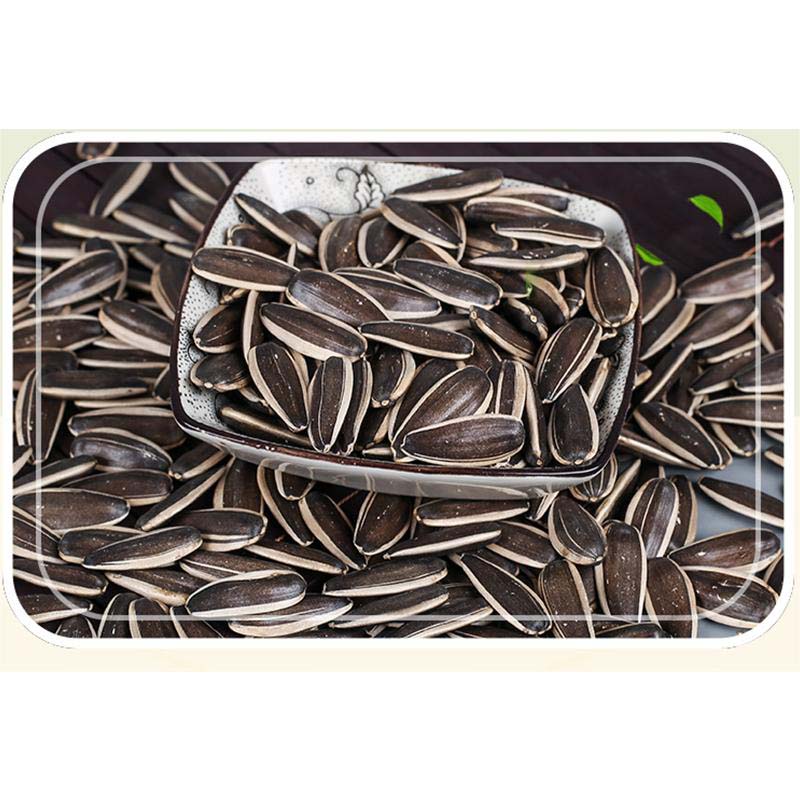
Sunflower seeds are comprised of a hull (pericarp), kernel, and embryo. The kernel constitutes approximately 65-75% of the seed’s weight. The hull is primarily cellulose and lignin, offering structural support and protection. The kernel is rich in lipids (40-50%), primarily linoleic acid (an omega-6 fatty acid), oleic acid (an omega-9 fatty acid), and palmitic acid. Protein content ranges from 20-25%, and fiber contributes another 10-15%. Key micronutrients include Vitamin E, magnesium, and selenium.
Manufacturing commences with harvesting and drying to reduce moisture content to around 8-10%, inhibiting mold growth. Dehulling is a critical step, often employing mechanical abrasion or impact. The efficiency of dehulling directly impacts yield and the presence of hull fragments which can affect taste and shelf life. Grading separates seeds by size and density, removing damaged or immature seeds. Roasting, typically at temperatures between 120-180°C, enhances flavor and aroma while also reducing moisture content further. Careful temperature control is paramount; excessive temperatures lead to lipid oxidation and formation of harmful compounds. Seasoning involves the application of salt, spices, or coatings. Packaging utilizes materials offering barrier protection against oxygen, moisture, and light to preserve freshness and prevent rancidity. Key parameter control includes consistent seed moisture content, precise roasting temperatures and times, and appropriate packaging materials. The roasting process drives Maillard reactions which develop flavor and color, but also generates acrylamide, requiring careful monitoring and optimization of processing parameters.
Performance & Engineering
The performance of sunflower seeds related to weight management hinges on their satiety index, metabolic effects, and the impact of fat consumption. The fiber content contributes significantly to satiety, promoting feelings of fullness and potentially reducing overall calorie intake. The high lipid content, while initially concerning, is dominated by unsaturated fats which have been associated with improved lipid profiles. However, the energy density remains high, necessitating portion control. Environmental resistance focuses on maintaining seed integrity and preventing lipid oxidation during storage and distribution. Oxygen permeability of packaging is a critical factor.
Compliance requirements include adherence to food safety standards (HACCP), regulations regarding acceptable levels of acrylamide, and labeling requirements detailing nutritional information and allergen warnings. Force analysis is relevant to the mechanical properties of the seed itself, particularly during dehulling and processing – minimizing kernel breakage is essential for maximizing yield. The water activity (Aw) of the finished product must be controlled below 0.6 to inhibit microbial growth. Functional implementation in weight loss products involves formulating seeds into bars, snacks, or ingredients in meal replacements, optimizing the balance of macronutrients and minimizing added sugars or unhealthy fats.
Technical Specifications
| Parameter | Unit | Typical Value | Acceptable Range |
|---|---|---|---|
| Moisture Content | % | 8-10 | ≤ 12 |
| Kernel Oil Content | % | 48-53 | 45-55 |
| Protein Content | % | 20-25 | 18-27 |
| Fiber Content | % | 10-15 | 8-17 |
| Aw (Water Activity) | - | 0.5-0.6 | ≤ 0.6 |
| Peroxide Value (Oil) | meq O2/kg | < 5 | < 10 |
Failure Mode & Maintenance
Failure modes in sunflower seeds, impacting quality and shelf life, primarily revolve around lipid oxidation (rancidity), microbial contamination, and physical damage. Lipid oxidation, driven by exposure to oxygen and accelerated by heat and light, results in off-flavors and a reduction in nutritional value. Microbial contamination, particularly mold growth, can occur if moisture content is not adequately controlled. Physical damage during processing (dehulling, roasting) can lead to kernel breakage and increased susceptibility to oxidation.
Maintenance solutions focus on preventative measures. Optimizing packaging with high barrier properties (oxygen, moisture, light) is critical. Implementing a robust quality control system throughout the manufacturing process, including monitoring moisture content, roasting temperatures, and peroxide values, is essential. Proper storage conditions – cool, dry, and dark – are paramount. Antioxidant coatings can be applied to the seeds to inhibit lipid oxidation. Regular cleaning and sanitation of processing equipment minimize microbial contamination risks. Shelf-life testing, utilizing accelerated aging studies, helps determine the expiration date and ensure product quality. Failure analysis involving gas chromatography and mass spectrometry (GC-MS) can identify specific volatile compounds indicative of rancidity and pinpoint the source of the issue.
Industry FAQ
Q: What is the primary driver of rancidity in sunflower seeds and how can it be mitigated?
A: The primary driver of rancidity is lipid oxidation, caused by the reaction of unsaturated fats with oxygen. This is accelerated by heat, light, and the presence of metal ions. Mitigation strategies include utilizing packaging materials with high oxygen barrier properties, controlling storage temperature and humidity, adding natural antioxidants (e.g., Vitamin E), and minimizing processing times at elevated temperatures.
Q: How does the dehulling process impact the quality and shelf life of sunflower seeds?
A: The dehulling process significantly impacts quality. Inefficient dehulling leads to the presence of hull fragments, which can impart an undesirable taste and increase the surface area exposed to oxidation. Excessive mechanical force during dehulling can cause kernel breakage, also increasing susceptibility to oxidation. Optimization involves gentle dehulling techniques and careful calibration of processing parameters.
Q: What is the significance of Aw (water activity) in sunflower seed preservation?
A: Water activity (Aw) is a critical factor in controlling microbial growth. Sunflower seeds with an Aw above 0.6 are susceptible to mold and bacterial growth. Maintaining an Aw below 0.6 through proper drying and packaging prevents spoilage and extends shelf life.
Q: What are the regulatory limits for acrylamide in roasted sunflower seeds?
A: Regulatory limits for acrylamide vary by country. The European Union has established maximum levels, and the FDA in the US monitors acrylamide levels in food products. Manufacturers must implement process control measures during roasting to minimize acrylamide formation, typically by optimizing temperature and time parameters.
Q: How does the variety of sunflower seed influence its oil profile and subsequent shelf life?
A: Sunflower seed varieties differ significantly in their fatty acid composition. High oleic sunflower seeds, with a higher proportion of oleic acid (a monounsaturated fat), exhibit greater oxidative stability and a longer shelf life compared to linoleic sunflower seeds. Selection of the appropriate variety is crucial for optimizing product quality and longevity.
Conclusion
The "are sunflower seeds good for weight loss factory" industry necessitates a meticulous approach encompassing material science, precise manufacturing controls, and stringent quality assurance. Understanding the interplay between lipid composition, moisture content, processing parameters, and packaging integrity is crucial for delivering a safe, nutritious, and shelf-stable product. The performance characteristics related to satiety and nutrient density position sunflower seeds as a valuable component of weight management strategies, but effective processing and storage are vital to realize their potential.
Future developments will likely focus on optimizing dehulling technologies to minimize kernel damage, enhancing antioxidant coatings to further inhibit lipid oxidation, and developing innovative packaging solutions with improved barrier properties. Continued research into the bioavailability of nutrients and the metabolic effects of sunflower seed consumption will further solidify their role in promoting health and wellness. Adherence to evolving international standards and a commitment to continuous improvement are essential for sustained success in this dynamic industry.
