
Introduction
Sunflower seed processing facilities, critical components of the agricultural supply chain, are increasingly focused on optimizing seed quality for the health food and nutritional supplement markets. The demand for sunflower seeds, spurred by perceptions of weight management benefits (though scientifically nuanced – see FAQ), necessitates stringent control over seed characteristics, processing parameters, and quality assurance protocols. This guide details the technical aspects of operating and maintaining efficient and high-quality sunflower seed processing factories. We’ll cover material science of seed components, manufacturing processes from intake to packaging, performance engineering concerning oil yield and seed integrity, detailed technical specifications, common failure modes, and preventative maintenance strategies. The industry faces challenges relating to aflatoxin contamination, seed dormancy variation, and maximizing oil extraction efficiency. Addressing these requires a deep understanding of seed physiology and sophisticated processing techniques. This document serves as a comprehensive resource for engineers, procurement managers, and quality control personnel involved in the sunflower seed industry.
Material Science & Manufacturing
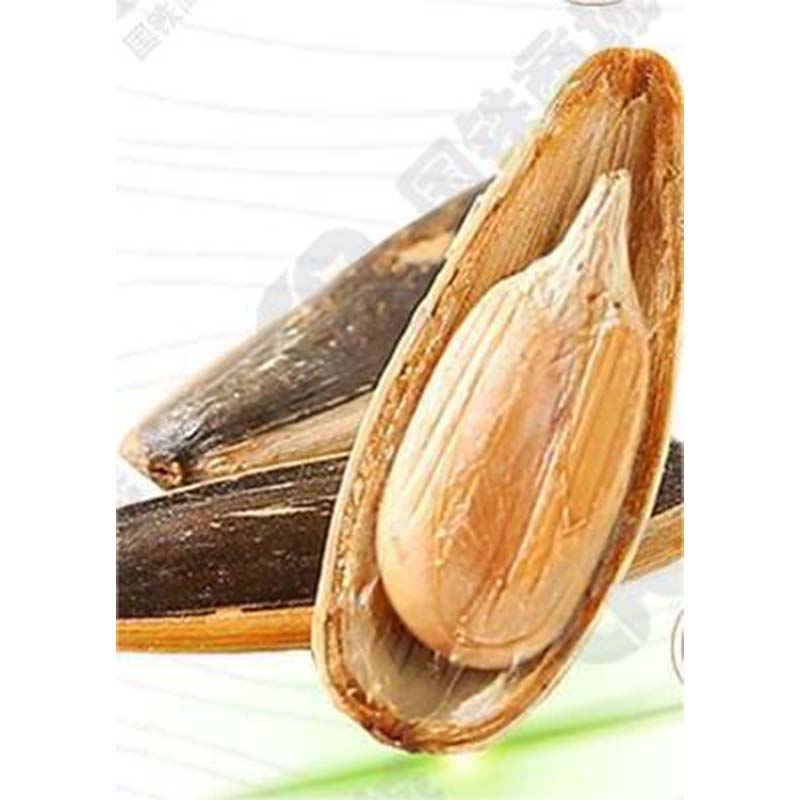
Sunflower seeds consist of several key components: the hull (pericarp), the kernel (cotyledons), and the embryo. The hull comprises approximately 20-30% of the seed weight and is composed primarily of cellulose, hemicellulose, and lignin – providing structural integrity but reducing oil yield. The kernel, constituting 60-70% of the seed, is rich in oil (40-55%) and protein (18-25%). Oil composition is crucial, with linoleic acid (omega-6) and oleic acid (omega-9) being the dominant fatty acids, and their ratios influencing perceived health benefits. Manufacturing commences with seed intake and cleaning, removing foreign materials like stems, leaves, and soil using a combination of screens, aspirators, and gravity separators. De-hulling is a critical step, typically achieved through impact or friction methods. Impact dehulling uses rotating drums with abrasive surfaces, while friction dehulling utilizes rollers or cones. Parameter control is vital: roller speed, feed rate, and gap settings directly impact hull removal efficiency and kernel damage. Subsequently, kernels undergo size grading to separate different varieties and quality levels. Oil extraction is typically performed using mechanical pressing (expelling) or solvent extraction (hexane is common). Mechanical pressing yields a lower oil recovery rate but produces a higher-quality oil. Solvent extraction achieves higher yields but requires rigorous solvent removal processes to meet food safety standards. Seed drying is crucial pre- and post-processing, employing controlled temperature airflow to reduce moisture content to prevent mold growth and maintain seed quality. Critical parameters include airflow velocity, temperature (typically below 50°C to avoid protein denaturation), and drying time. Finally, kernels are packaged in moisture-proof materials to prevent rancidity and maintain shelf life.
Performance & Engineering
The performance of a sunflower seed processing factory is evaluated based on several key metrics: oil yield, kernel damage rate, hull removal efficiency, and contamination levels. Force analysis during dehulling is crucial; excessive force leads to kernel breakage, reducing oil yield and increasing fines (small kernel fragments). Engineering considerations focus on minimizing these forces through optimized roller/cone designs and precise control of feed rates. Environmental resistance is paramount, particularly concerning humidity and temperature control. High humidity promotes mold growth and aflatoxin contamination (a serious food safety hazard). Temperature control during drying and oil extraction is vital to prevent oil degradation and protein denaturation. Compliance requirements include adherence to food safety standards (HACCP, GMP), environmental regulations regarding solvent emissions (if using hexane extraction), and occupational safety standards. Functional implementation involves automated control systems for monitoring and adjusting key process parameters (temperature, humidity, feed rate, pressure). These systems often incorporate Programmable Logic Controllers (PLCs) and Supervisory Control and Data Acquisition (SCADA) systems for real-time data analysis and process optimization. The structural integrity of processing equipment (rollers, conveyors, dryers) is also critical, requiring regular inspections and maintenance to prevent failures and ensure operational efficiency. Finite Element Analysis (FEA) is often used during the design phase to optimize component strength and minimize stress concentrations.
Technical Specifications
| Parameter | Unit | Mechanical Pressing | Solvent Extraction |
|---|---|---|---|
| Oil Yield | % | 45-55 | 95-99 |
| Kernel Damage Rate | % | 2-5 | 0.5-2 |
| Hull Removal Efficiency | % | 95-98 | 98-99 |
| Moisture Content (Input Seed) | % | 8-12 | 8-12 |
| Moisture Content (Processed Kernel) | % | 6-8 | 6-8 |
| Aflatoxin Level (Maximum Allowable) | ppb | 20 | 20 |
Failure Mode & Maintenance
Common failure modes in sunflower seed processing factories include: roller/cone wear in dehulling equipment (leading to reduced hull removal efficiency and increased kernel damage); bearing failures in motors and conveyors (causing downtime and potential safety hazards); heater element failures in dryers (resulting in inconsistent drying and mold growth); pump failures in solvent extraction systems (leading to process interruptions and potential solvent leaks); and screen clogging in cleaning equipment (reducing throughput and efficiency). Fatigue cracking in structural components due to repeated stress is also a concern. Preventative maintenance is crucial. This includes: regular inspection and replacement of worn rollers/cones; lubrication of bearings; monitoring heater element performance and replacing them proactively; inspecting pumps for leaks and maintaining proper seals; cleaning screens regularly to prevent clogging; and conducting non-destructive testing (NDT) of structural components to detect cracks. Condition monitoring techniques, such as vibration analysis and thermal imaging, can be used to identify potential failures before they occur. A robust maintenance schedule, based on operating hours and equipment manufacturer recommendations, is essential for minimizing downtime and maximizing operational efficiency. Regular cleaning and sanitation procedures are also vital to prevent microbial contamination and ensure food safety.
Industry FAQ
Q: What is the impact of sunflower seed variety on oil yield and composition?
A: Sunflower seed varieties exhibit significant variation in oil content and fatty acid profiles. High-oleic varieties, for example, contain a higher proportion of oleic acid, resulting in a more stable oil with a longer shelf life. Linoleic varieties are richer in linoleic acid, considered beneficial but also more prone to oxidation. Oil yield also varies based on genetics; newer hybrid varieties are often bred for increased oil content. Therefore, selection of the appropriate variety is critical for optimizing processing efficiency and oil quality.
Q: How do you mitigate the risk of aflatoxin contamination?
A: Aflatoxin contamination is a serious concern. Mitigation strategies include: sourcing seeds from regions with low aflatoxin prevalence; implementing rigorous pre-cleaning procedures to remove contaminated seeds; controlling moisture content throughout the process; maintaining sanitary processing conditions; and regular testing for aflatoxin levels using ELISA or HPLC methods. Proper storage of both raw materials and finished products is also critical.
Q: What are the environmental considerations related to solvent extraction?
A: Hexane extraction requires careful management of solvent emissions to comply with environmental regulations. This involves using closed-loop systems to minimize solvent losses, implementing solvent recovery technologies (such as condensation and adsorption), and regularly monitoring air emissions to ensure compliance with permissible limits. Proper disposal of spent solvents is also essential.
Q: Can sunflower seeds truly contribute to weight loss, and how does this impact processing demands?
A: The claim that sunflower seeds directly induce weight loss is scientifically complex. They are calorie-dense but contain fiber and healthy fats, potentially promoting satiety. This perceived benefit drives demand for “weight management” seed products. Processing demands increase as consumer preference shifts towards smaller kernel sizes, de-hulled seeds (requiring more precise dehulling), and consistent quality, demanding stricter grading and quality control measures.
Q: What level of automation is typically implemented in modern sunflower seed processing facilities?
A: Modern facilities are highly automated. Automation extends to seed intake, cleaning, dehulling, grading, oil extraction, solvent recovery (if applicable), drying, and packaging. PLC and SCADA systems control and monitor these processes, optimizing efficiency and minimizing human intervention. Robotics are increasingly used for packaging and palletizing. Full automation requires significant upfront investment but delivers long-term benefits in terms of reduced labor costs, increased throughput, and improved product quality.
Conclusion
Efficient and high-quality sunflower seed processing demands a holistic understanding of material science, manufacturing processes, and performance engineering. Optimizing parameters at each stage, from seed intake to packaging, is critical for maximizing oil yield, minimizing kernel damage, and ensuring food safety. Strict adherence to international standards and preventative maintenance strategies are essential for minimizing downtime and maintaining operational efficiency.
The future of the industry will likely focus on further automation, the development of more sustainable extraction methods (exploring alternatives to hexane), and the breeding of sunflower varieties with enhanced oil content and improved fatty acid profiles. Investing in advanced monitoring technologies and data analytics will enable processing facilities to further optimize their operations and respond to evolving consumer demands.
