Introduction
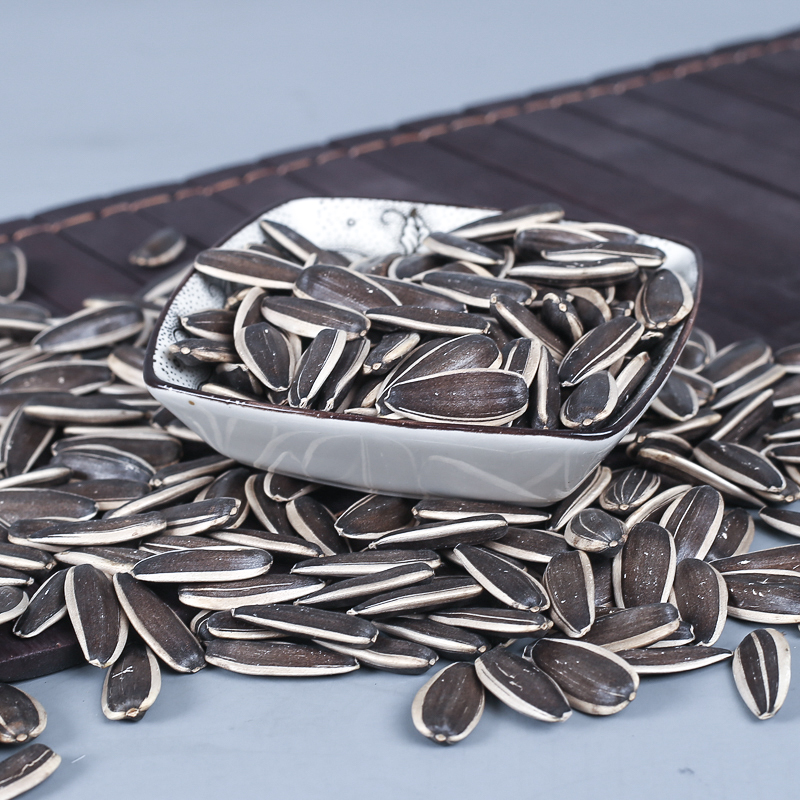
Sunflower seeds ( Helianthus annuus ) are an increasingly significant export commodity, driven by perceived health benefits and versatile applications. This guide details the technical aspects of sunflower seed export, focusing on quality control, storage stability, and compliance standards vital to international trade. While commonly marketed for nutritional value including potential weight management support – a claim we will address from a compositional analysis perspective – this document centers on the industrial requirements for consistent, high-quality export grade product. Sunflower seeds, in the context of this report, refer primarily to the in-shell and de-hulled (kernel) varieties intended for direct consumption, roasting, oil extraction, and confectionary applications. Understanding seed composition—oil content, protein levels, moisture activity, and residual pesticide levels—is critical for maintaining product integrity throughout the supply chain, and achieving adherence to importing nation's stipulations. The inherent susceptibility of unsaturated fatty acids within the seed to oxidation necessitates meticulous control of processing and storage parameters. The global sunflower seed market is highly sensitive to environmental factors impacting crop yield, making rigorous quality assessment a paramount concern for exporters.
Material Science & Manufacturing
Sunflower seeds are composed of approximately 35-50% oil, 20-25% protein, 10-15% carbohydrate, and 5-10% moisture depending on the variety and growing conditions. The oil is primarily linoleic acid (a polyunsaturated omega-6 fatty acid), oleic acid (a monounsaturated fatty acid), and palmitic acid (a saturated fatty acid). Seed shell composition is primarily cellulose and lignin, providing structural integrity. Manufacturing commences with harvesting, typically mechanized, followed by drying to reduce moisture content to approximately 8-10% to inhibit microbial growth and enzymatic activity. Drying is critical and often utilizes forced-air systems with controlled temperature (typically <60°C to prevent protein denaturation and oil degradation). De-hulling, for kernel production, employs mechanical methods, involving impact and friction. This process generates fines (broken kernels and shell fragments) which require separation through screening and aspiration. Seed grading is then performed based on size, shape, and density, often utilizing vibrating screens and optical sorting technologies. Quality control at this stage includes visual inspection for defects (damaged kernels, discoloration, insect infestation) and the determination of foreign material content. Nitrogen purging during packaging is increasingly employed to minimize oxidation and extend shelf life. Seed treatments, like fungicide applications before harvest, must adhere to strict Maximum Residue Limits (MRLs) set by importing countries, requiring comprehensive testing protocols. The mechanical stress involved in de-hulling and sorting can induce micro-cracks in the kernels, increasing susceptibility to rancidity; careful parameter optimization is essential.
Performance & Engineering
Sunflower seed performance is directly linked to its oil stability and resistance to degradation. Oil rancidity, driven by lipid oxidation, is the primary performance limiter. The rate of oxidation is influenced by temperature, oxygen exposure, light, and the presence of metal catalysts. Engineering controls during processing and packaging focus on minimizing these factors. Moisture content plays a crucial role; exceeding 10% promotes enzymatic hydrolysis of triglycerides, releasing free fatty acids that accelerate oxidation. Shell strength is a relevant performance parameter for in-shell seeds, impacting damage during handling and transportation. Shell fracture rate is assessed through impact testing. For both kernel and in-shell seeds, storage stability is paramount. Long-term storage requires low temperature (<10°C) and low oxygen permeability packaging. Headspace gas composition is critical—nitrogen flushing to <2% oxygen is standard. Package materials must exhibit low water vapor transmission rates (WVTR) and oxygen transmission rates (OTR) to maintain seed quality. Seed density affects sorting efficiency and can indicate oil content; higher density generally correlates with greater oil concentration. The shear strength of the kernel is also important for processing, particularly in oil extraction. Furthermore, adherence to phytosanitary regulations concerning the absence of viable weed seeds and plant pests is a mandatory performance characteristic. Impact resistance, a critical engineering factor in transportation, dictates packaging materials and handling procedures.
Technical Specifications
| Parameter | In-Shell Sunflower Seeds | De-hulled (Kernel) Sunflower Seeds | Units |
|---|---|---|---|
| Moisture Content | ≤ 9.0% | ≤ 7.0% | % w/w |
| Oil Content (Dry Basis) | 48-58% | >50% | % w/w |
| Protein Content (Dry Basis) | 18-24% | 20-28% | % w/w |
| Foreign Matter | ≤ 1.0% | ≤ 0.5% | % w/w |
| Damaged Kernels/Seeds | ≤ 3.0% | ≤ 2.0% | % w/w |
| Acid Value | ≤ 0.5 | ≤ 0.3 | mg KOH/g oil |
| Peroxide Value | ≤ 5.0 | ≤ 3.0 | meq O2/kg oil |
Failure Mode & Maintenance
Sunflower seed failure modes typically fall into several categories: oxidative rancidity, insect infestation, mechanical damage, and microbial contamination. Rancidity, as previously detailed, is a primary concern, evidenced by off-flavors and odors. This is mitigated through optimized storage conditions (low temperature, low oxygen, inert gas packaging) and the addition of antioxidants (e.g., tocopherols) during processing. Insect infestation (e.g., Sitophilus oryzae, rice weevil) can lead to significant losses, requiring stringent pest control measures throughout the supply chain, including fumigation and hermetic storage. Mechanical damage (cracking, chipping) increases surface area for oxidation and provides entry points for pests and microbes. Careful handling and appropriate packaging are crucial. Microbial contamination (e.g., Aspergillus species, producing aflatoxins) poses a significant health risk. This necessitates rigorous hygiene practices during processing, regular monitoring for aflatoxin levels (using ELISA or HPLC), and adherence to MRLs. Maintenance involves regular inspection of storage facilities for pests and leaks, calibration of drying and sorting equipment, and adherence to a comprehensive Hazard Analysis and Critical Control Points (HACCP) plan. Preventative measures like proper sanitation and temperature control are essential for maximizing shelf life and minimizing product loss. Routine oil quality testing (acid value, peroxide value) provides an early indication of deterioration and allows for corrective action.
Industry FAQ
Q: What are the key factors influencing sunflower seed oil stability during long-term storage?
A: Oil stability is primarily affected by moisture content, temperature, oxygen exposure, and light exposure. Maintaining a moisture content below 7% for kernels (and 9% for in-shell), storing seeds at temperatures below 10°C, minimizing oxygen levels through nitrogen flushing, and utilizing opaque packaging that blocks UV light are critical control measures.
Q: How are aflatoxin levels monitored and controlled during export?
A: Aflatoxin levels are monitored through regular sampling and analysis using methods like ELISA (Enzyme-Linked Immunosorbent Assay) or HPLC (High-Performance Liquid Chromatography). Exporters must adhere to Maximum Residue Limits (MRLs) established by importing countries. Implementing a robust HACCP plan, including proper drying, storage, and sanitation practices, is crucial for minimizing aflatoxin contamination.
Q: What is the significance of acid value and peroxide value in assessing sunflower seed quality?
A: Acid value indicates the concentration of free fatty acids, which increases with lipid hydrolysis and is a sign of deterioration. Peroxide value measures the extent of lipid oxidation and is a primary indicator of rancidity. Both values are used to assess oil quality and predict shelf life.
Q: What phytosanitary regulations are typically applied to sunflower seed exports?
A: Sunflower seed exports are subject to phytosanitary regulations aimed at preventing the spread of plant pests and diseases. This often involves inspection for the presence of viable weed seeds and pests, and may require treatment with approved fumigants or other disinfestation methods. Compliance with the importing country's specific phytosanitary requirements is essential.
Q: What packaging materials are recommended for maintaining sunflower seed quality during international transport?
A: Packaging materials should exhibit low OTR and WVTR. Multi-layer films incorporating aluminum foil or metallized polyester are commonly used. Bags should be constructed from food-grade polyethylene or polypropylene. Nitrogen flushing before sealing is recommended to displace oxygen. The packaging must also be sufficiently strong to withstand the rigors of transport.
Conclusion
Sunflower seed export requires meticulous attention to detail across the entire supply chain, from harvesting and processing to storage and transportation. Maintaining consistent quality, preventing oxidative degradation, and ensuring compliance with international standards are paramount for success in the global market. The technical considerations outlined in this guide – encompassing material science, engineering controls, and rigorous quality assurance – are essential for delivering a premium product that meets the demands of discerning customers.
Looking ahead, advancements in seed breeding for improved oil stability and disease resistance, alongside innovative packaging technologies offering enhanced barrier properties, will further optimize the export potential of sunflower seeds. A continued focus on sustainable agricultural practices and adherence to evolving regulatory landscapes will be crucial for maintaining market access and fostering long-term growth within this dynamic industry.
