Introduction
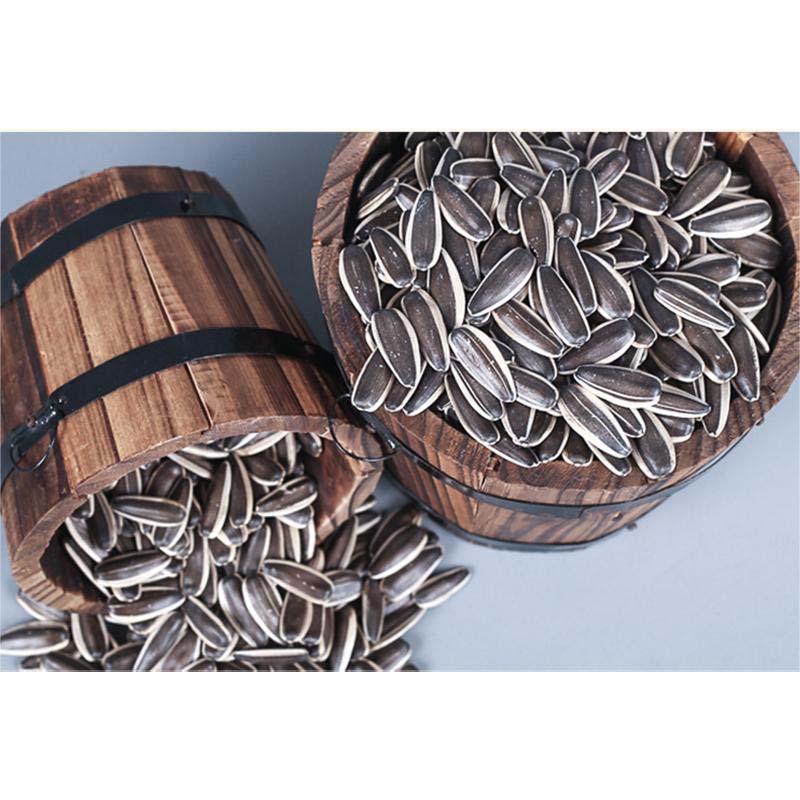
40 lb sunflower seeds, as a bulk commodity, represent a significant component in the agricultural supply chain, serving diverse markets including animal feed, wild bird food, confectionery, and increasingly, human consumption. This technical guide details the specifications, manufacturing processes, performance characteristics, potential failure modes, and industry standards associated with commercially available 40 lb packaged sunflower seeds. Understanding these aspects is critical for procurement managers, quality control personnel, and end-users seeking to optimize value and ensure product integrity. Sunflower seeds are categorized based on their hull characteristics (oil-type with black hulls, confectionary-type with white stripes) and kernel size, impacting oil yield and market application. This guide focuses on the technical considerations pertinent to the 40 lb packaging and bulk handling of these seeds, addressing key industry pain points such as moisture control, aflatoxin contamination, and physical damage during transit and storage.
Material Science & Manufacturing
Sunflower seeds ( Helianthus annuus) are composed primarily of oil (35-58%), protein (18-25%), fiber (28-35%), and moisture (8-12%). The kernel’s physical properties – hardness, density (approximately 0.6 g/cm³), and coefficient of friction – are crucial for processing and packaging. The hull, or pericarp, provides a protective layer but also contributes to moisture absorption. Manufacturing begins with field harvesting, followed by drying to achieve a moisture content of approximately 10%. This is critical to prevent fungal growth and maintain seed viability. Cleaning and dehulling (for confectionary seeds) are subsequent steps. Packaging utilizes materials like polypropylene (PP) woven bags, polyethylene (PE) liners, and often, intermediate moisture barriers. The woven PP provides structural integrity while the PE liner prevents seed leakage. The quality of the PP fibers directly affects bag tensile strength and resistance to puncture. Heat sealing of the PE liner is a key parameter, influencing oxygen permeability and moisture control. Temperature control during sealing (typically 130-160°C) is paramount to avoid polymer degradation and ensure a hermetic seal. Batch variability in seed moisture content necessitates real-time moisture monitoring during packaging to maintain consistent product quality.
Performance & Engineering
The performance of 40 lb sunflower seed packaging is dictated by several engineering considerations. Static and dynamic load testing are crucial to determine bag strength during stacking and transportation. Force analysis considers the weight of the seeds (40 lbs), stacking height, and potential impact forces during handling. The woven PP bag’s tensile strength (warp and weft) must exceed the calculated stress. Furthermore, the package must resist abrasion and puncture from forklift tines or other handling equipment. Environmental resistance is also critical. Sunflower seeds are susceptible to rancidity due to oil oxidation, accelerated by temperature and oxygen exposure. Packaging must therefore provide a sufficient oxygen barrier. Moisture vapor transmission rate (MVTR) is another key parameter; high MVTR can lead to seed clumping, fungal growth, and reduced shelf life. Compliance requirements vary by region, but typically include regulations pertaining to food safety (e.g., FDA in the US, EFSA in Europe) and packaging material safety (e.g., limits on heavy metal migration). The design must also address ergonomic considerations for handling by warehouse personnel.
Technical Specifications
| Parameter | Unit | Specification (Oil-Type Seeds) | Specification (Confectionary-Type Seeds) |
|---|---|---|---|
| Net Weight | lbs | 40 ± 0.5 | 40 ± 0.5 |
| Moisture Content | % | ≤ 10.0 | ≤ 8.5 |
| Foreign Matter | % | ≤ 1.0 | ≤ 0.5 |
| Damaged Kernels | % | ≤ 3.0 | ≤ 2.0 |
| Aflatoxin Levels (B1, B2, G1, G2) | ppb | ≤ 20 | ≤ 10 |
| Oil Content | % | ≥ 40 | ≥ 50 |
| Packaging Material (Woven PP) - Tensile Strength (Warp) | N/cm | ≥ 250 | ≥ 250 |
Failure Mode & Maintenance
Failure modes for 40 lb sunflower seed packages are diverse. Bag rupture, typically at seams or stress concentration points, can occur due to excessive stacking height or rough handling. Moisture ingress leads to seed clumping, fungal contamination (e.g., Aspergillus flavus producing aflatoxins), and oil rancidity. Degradation of the PP woven material due to UV exposure can reduce tensile strength over extended outdoor storage. Puncture damage from handling equipment is also common. Failure analysis reveals that seam integrity is often compromised by improper heat sealing parameters (insufficient temperature or pressure). Aflatoxin contamination is a critical failure mode due to its potent carcinogenic effects. Preventative maintenance includes regular inspection of packaging materials for defects, proper storage conditions (cool, dry, and dark), and adherence to first-in, first-out (FIFO) inventory management. Seed moisture content should be routinely monitored, and any bags exhibiting signs of damage or contamination should be immediately quarantined and disposed of according to local regulations. Training of personnel involved in handling and storage is crucial to minimize physical damage.
Industry FAQ
Q: What is the acceptable level of foreign material in a 40lb bag of sunflower seeds intended for wild bird food?
A: While regulations vary by region, a generally accepted standard for wild bird food allows for up to 2.0% foreign material, including stems, leaves, and weed seeds. However, contaminants such as pebbles or metal fragments should be virtually absent, typically less than 0.1%.
Q: How does storage temperature affect the shelf life of sunflower seeds?
A: Increased storage temperature significantly accelerates oil oxidation and the development of rancidity. For optimal shelf life, maintain a storage temperature below 25°C (77°F). Higher temperatures reduce shelf life from approximately 12 months to as little as 6 months.
Q: What packaging features are most effective in preventing aflatoxin contamination?
A: A combination of factors is critical. Low initial moisture content (<10%), a hermetically sealed inner liner (PE with low MVTR), and proper storage conditions are paramount. Consideration should also be given to the sourcing of seeds from regions with lower aflatoxin prevalence.
Q: What is the typical tensile strength requirement for the woven PP bag used for 40 lb sunflower seeds?
A: Typically, the woven PP bag should have a tensile strength of at least 250 N/cm in both the warp and weft directions to withstand stacking and handling stresses. Higher tensile strengths may be required for automated handling systems.
Q: How is the moisture content of sunflower seeds typically measured for quality control purposes?
A: The most common method for determining moisture content is using a grain moisture analyzer based on the near-infrared (NIR) spectroscopy principle. This provides a rapid and non-destructive measurement. Oven drying methods are used for calibration and confirmation.
Conclusion
The integrity of 40 lb sunflower seed packaging and the quality of the seeds themselves are fundamentally linked to a complex interplay of material science, manufacturing processes, and environmental controls. Maintaining low moisture content, preventing aflatoxin contamination, and ensuring sufficient packaging strength are the core challenges addressed by industry best practices. Adhering to stringent quality control procedures, including regular moisture monitoring, aflatoxin testing, and seam integrity checks, is essential for mitigating failure modes and maximizing shelf life.
Future developments in sunflower seed packaging will likely focus on biodegradable or recyclable materials, enhanced barrier properties to reduce oxygen permeability, and the integration of smart sensors for real-time monitoring of temperature, humidity, and gas composition. These advancements will contribute to a more sustainable and efficient supply chain, while further safeguarding the quality and safety of this valuable agricultural commodity.
