Introduction
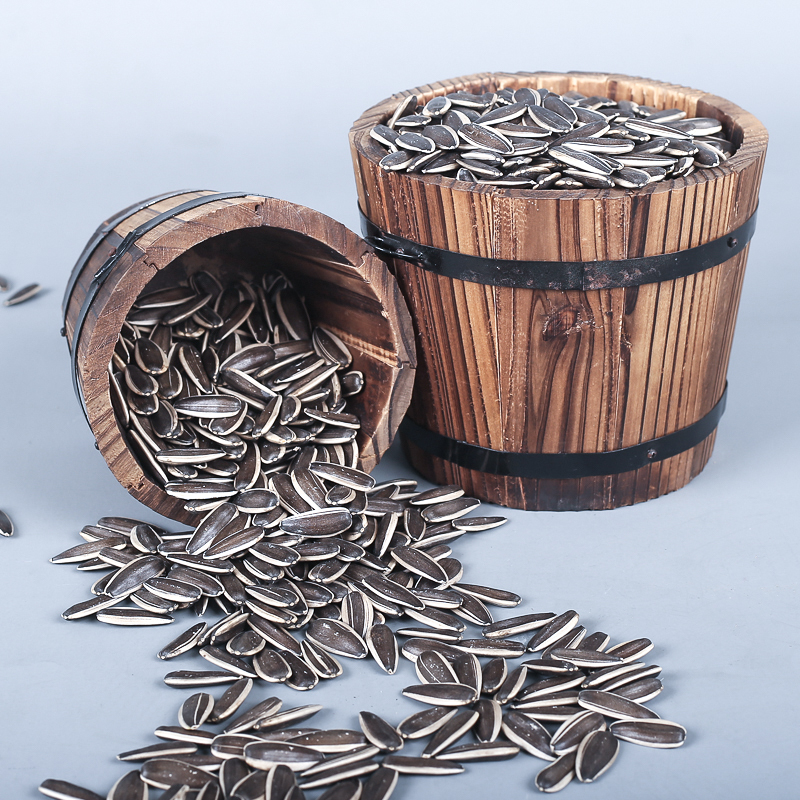
40 lb sunflower seeds represent a significant commodity within the agricultural and food processing industries. This technical guide details the scientific and engineering aspects of commercially packaged sunflower seeds, focusing on quality control, storage stability, and industrial applications. Sunflower seeds ( Helianthus annuus) are primarily utilized for oil extraction, confectionary applications (eating the kernel directly), and as a high-protein animal feed component. The 40 lb packaging standard is a common unit for bulk distribution, requiring specific considerations regarding material science, manufacturing processes to maintain seed viability, and adherence to food safety regulations. This guide will comprehensively examine these facets, outlining critical parameters influencing seed quality from harvest to end-user application. The core performance indicators include oil content, moisture content, germination rate (for breeding varieties), hulling percentage, and freedom from contaminants.
Material Science & Manufacturing
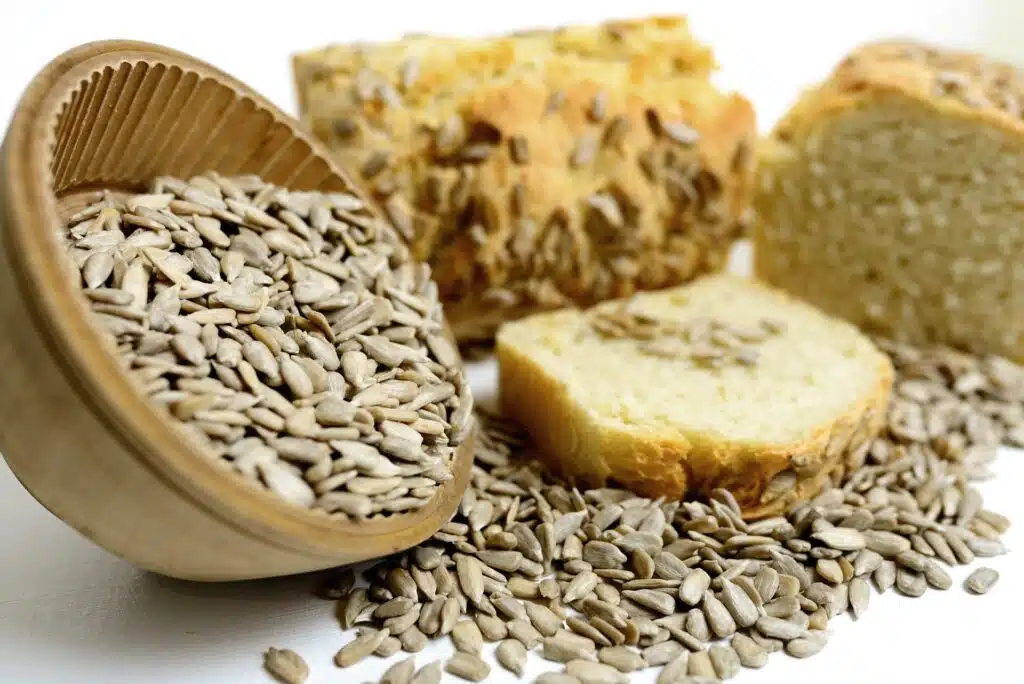
Sunflower seeds, biologically, are comprised of a hull (pericarp), kernel (cotyledon), and embryo. The hull constitutes approximately 20-50% of the seed’s weight, dependent on variety, and is primarily cellulose and lignin. The kernel is rich in oil (40-55%), protein (18-25%), and fiber. Manufacturing begins with harvesting, typically mechanical, followed by drying to reduce moisture content to approximately 8-10% to inhibit fungal growth and enzymatic activity. Drying methods include forced air and solar drying. Further processing involves cleaning to remove foreign material (stalks, leaves, dirt) via screens, aspirators, and destoners. For confectionary seeds, a dehulling process is employed, usually mechanical abrasion followed by air separation. Packaging for 40 lb units commonly utilizes multi-layer polyethylene (PE) woven bags, often with an inner liner of low-density polyethylene (LDPE) for moisture barrier properties. The weave density of the PE fabric is critical, impacting tensile strength and resistance to puncture. Parameter control during packaging includes ensuring uniform fill weight, proper sealing to maintain airtightness, and labeling compliant with regulatory requirements. Raw material quality (seed cleanliness, moisture content, oil content) dictates the success of the packaging process and ultimate shelf life. Contamination with aflatoxins, produced by Aspergillus fungi, is a major concern and requires stringent quality control measures throughout the entire process.
Performance & Engineering
The performance of 40 lb sunflower seed packaging is critically linked to its ability to protect the seeds from environmental factors and physical damage during transit and storage. Key engineering considerations involve force analysis related to stacking loads, drop tests simulating handling, and environmental resistance testing (temperature, humidity). The tensile strength of the woven PE bag must withstand the weight of stacked pallets (typically exceeding 2000 lbs). The LDPE liner provides a critical moisture barrier, measured in grams of water vapor transmission rate (WVTR) per square meter per day (g/m²/day). Lower WVTR values indicate superior barrier properties. Exposure to ultraviolet (UV) radiation can degrade the PE material, reducing its tensile strength and causing discoloration. UV stabilizers are often incorporated into the PE formulation. Regulatory compliance, such as those outlined by the FDA for food packaging materials, is paramount. Furthermore, the packaging must prevent ingress of pests (insects, rodents) which can contaminate the seeds and render them unusable. Oxygen transmission rate (OTR) is also an important consideration, as oxidation of the oil can lead to rancidity. Modified atmosphere packaging (MAP) techniques, involving nitrogen flushing to reduce oxygen levels, can extend shelf life.
Technical Specifications
| Parameter | Unit | Typical Value (Confectionary Seeds) | Typical Value (Oilseed Seeds) |
|---|---|---|---|
| Seed Moisture Content | % | 8-10 | 8-10 |
| Oil Content | % | 40-55 | 45-55 |
| Kernel Size | mm | 10-15 | 8-12 |
| Hull Percentage | % | 20-40 | 30-50 |
| Aflatoxin Level | ppb | <20 | <20 |
| WVTR (LDPE Liner) | g/m²/day | <3 | <3 |
Failure Mode & Maintenance
Failure modes in 40 lb sunflower seed packaging primarily relate to physical damage and environmental degradation. Common failure mechanisms include: 1) Puncture/Tear: Caused by sharp objects during handling or transport, leading to seed loss and potential contamination. 2) Seam Failure: Weak or improperly sealed seams can allow moisture ingress and pest access. 3) Material Degradation: Prolonged exposure to UV radiation or extreme temperatures can reduce the tensile strength of the PE material, leading to cracking or tearing. 4) Moisture Ingress: Compromised moisture barrier can lead to seed spoilage, germination inhibition (for breeding seeds), and fungal growth. 5) Pest Infestation: Breaches in the packaging allow insects or rodents to access the seeds, resulting in contamination and economic loss. Maintenance and preventative measures include: Implementing robust quality control procedures during packaging; using UV-stabilized PE materials; proper storage conditions (cool, dry, dark); regular inspection of packaging integrity; and implementing pest control measures in storage facilities. Failure analysis should include assessing the tensile strength of the material, evaluating the integrity of the seams, and identifying the source of contamination or moisture ingress.
Industry FAQ
Q: What is the acceptable level of foreign material in a 40 lb bag of confectionary sunflower seeds?
A: The acceptable level of foreign material is generally less than 1%, as defined by industry standards and regulatory guidelines. This includes stalks, leaves, dirt, stones, and other non-seed components. Stringent cleaning processes are required to meet this specification.
Q: How does temperature fluctuation during shipping impact sunflower seed quality?
A: Significant temperature fluctuations can negatively impact seed viability and oil quality. High temperatures accelerate oil oxidation, leading to rancidity. Temperature swings can also cause condensation inside the packaging, increasing moisture content and promoting fungal growth. Controlled temperature shipping is recommended.
Q: What are the implications of exceeding the maximum allowable moisture content in sunflower seeds?
A: Exceeding the 8-10% moisture content threshold increases the risk of fungal growth, particularly Aspergillus species, which produce aflatoxins. Aflatoxins are carcinogenic and render the seeds unusable for human or animal consumption. Proper drying and moisture-barrier packaging are crucial.
Q: What type of polyethylene (PE) is most commonly used for the inner liner of 40 lb sunflower seed bags, and why?
A: Low-density polyethylene (LDPE) is most commonly used for the inner liner due to its excellent moisture barrier properties, flexibility, and cost-effectiveness. LDPE provides a critical layer of protection against moisture ingress, preserving seed quality during storage and transport.
Q: What testing is performed to ensure the structural integrity of the woven PE bag used for 40 lb sunflower seeds?
A: Common tests include tensile strength testing (to determine the bag’s resistance to tearing), drop testing (to simulate handling and transport stresses), and puncture resistance testing (to assess the bag’s ability to withstand sharp objects). These tests ensure the bag can withstand the rigors of the supply chain.
Conclusion
The successful packaging and preservation of 40 lb sunflower seeds necessitate a comprehensive understanding of material science, manufacturing processes, and environmental factors. Maintaining optimal moisture content, protecting against pest infestation, and ensuring packaging integrity are critical for delivering a high-quality product to the end user. Rigorous quality control procedures, coupled with the selection of appropriate packaging materials and adherence to industry standards, are essential for minimizing losses and maximizing shelf life.
Future advancements in sunflower seed packaging may involve the development of biodegradable or compostable materials, further reducing the environmental impact of agricultural products. Improved barrier technologies, such as the incorporation of nano-materials into PE films, could enhance moisture and oxygen protection, extending shelf life even further. Continuous monitoring of industry regulations and consumer preferences will be crucial for adapting packaging solutions to meet evolving needs.
