Introduction
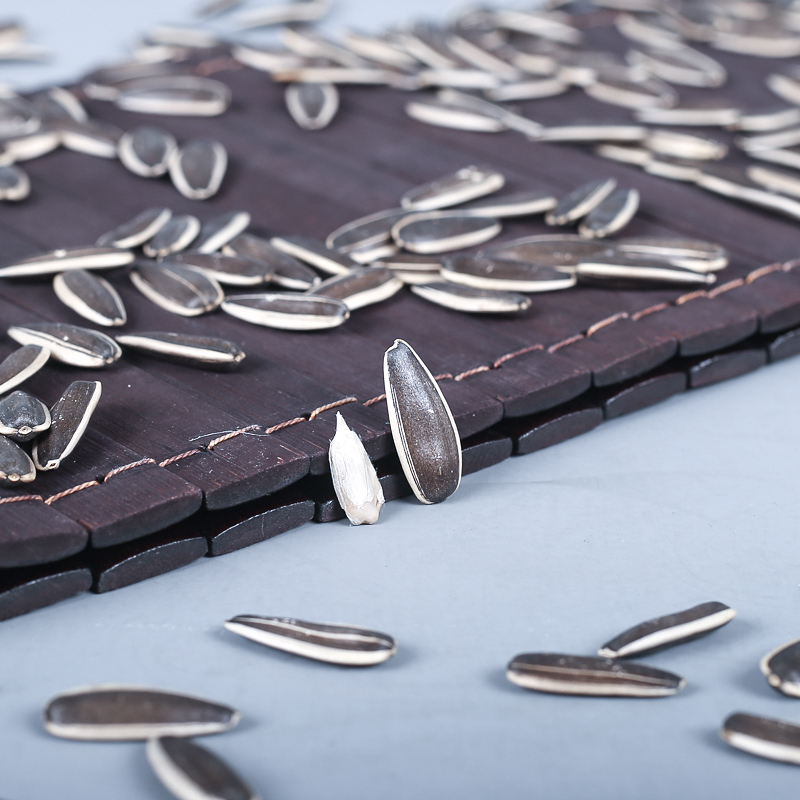
Sunflower seeds ( Helianthus annuus), packaged in 40 lb units, represent a significant commodity within the agricultural and food processing industries. This technical guide addresses the complexities of producing, handling, and assuring the quality of these seeds for both human consumption and industrial applications – primarily bird feed and oil extraction. The industry chain encompasses seed breeding, agricultural cultivation, harvesting, cleaning, drying, sizing, quality control, packaging, and distribution. Core performance characteristics revolve around oil content, protein levels, moisture content, hulling percentage, and the absence of contaminants like mycotoxins and foreign materials. Meeting stringent food safety standards and maintaining consistent seed quality are the primary concerns for manufacturers serving both direct consumer and industrial markets. This guide will detail the material science of sunflower seed composition, the manufacturing processes involved, relevant performance parameters, potential failure modes during storage and transit, and applicable industry standards.
Material Science & Manufacturing
Sunflower seeds are comprised of several key components: the hull (pericarp), kernel (cotyledon), and embryo. The hull contributes approximately 20-30% of the seed's weight and is primarily cellulose and lignin. The kernel, representing 60-70% of the seed, is rich in oil (40-55% linoleic acid, 20-30% oleic acid) and protein (18-26%). The manufacturing process begins with seed selection using high-yielding, oil-rich cultivars. Post-harvest, seeds undergo cleaning to remove debris (chaff, stems, leaves), utilizing a combination of screens, aspiration, and destoners. Drying is critical, employing controlled-temperature air dryers to reduce moisture content from typically 18-20% to 8-10%, inhibiting mold growth and preserving oil quality. This drying process is monitored continuously with near-infrared spectroscopy to determine moisture levels. Sizing is achieved using screens to separate seeds by diameter, important for both consumer packaging and oil extraction efficiency. Dehulling, while not always performed prior to 40lb packaging (depending on end-use), involves mechanical abrasion to remove the hull, increasing oil yield. Key parameter control during manufacturing centers on maintaining optimal temperature during drying to prevent denaturation of proteins and oxidation of oils, ensuring proper airflow to promote uniform drying, and rigorous quality control at each stage to eliminate damaged or contaminated seeds. Hulling parameters are adjusted based on seed variety and desired kernel purity. Proper storage post-processing, in climate-controlled facilities, is vital.

Performance & Engineering
The performance of 40 lb sunflower seeds is assessed through several key engineering parameters. Force analysis relates to the compressive strength of the packaged seeds, ensuring the bags do not rupture during handling and transport. Bag material selection (typically woven polypropylene) must withstand these forces. Environmental resistance, specifically moisture vapor transmission rate (MVTR) of the packaging, is crucial to prevent seed spoilage. Packaging materials with low MVTR (<5 g/m²/24h) are preferred. Temperature fluctuations during storage and transit must be accounted for, with recommended storage temperatures between 10-20°C. Compliance requirements are dictated by food safety regulations (see section 7). Oil extraction efficiency is a key performance metric for industrial customers, influenced by kernel hardness and hulling percentage. Kernel hardness is assessed using compression testing. Seed flowability is important for automated processing systems; seed shape and size consistency contribute to optimal flow. Hulling efficiency is determined by the percentage of kernels successfully separated from the hulls, minimizing waste. Bulk density impacts shipping costs, and is a function of seed size and compaction. Properly engineered packaging solutions, considering these factors, are paramount for preserving seed quality and minimizing logistical challenges.
Technical Specifications
| Parameter | Unit | Specification (Oil-Type) | Specification (Confectionery) |
|---|---|---|---|
| Oil Content | % (dry weight basis) | 48-54 | 40-45 |
| Protein Content | % (dry weight basis) | 18-24 | 20-26 |
| Moisture Content | % | ≤ 10.0 | ≤ 8.0 |
| Kernel Damage (broken/cracked) | % | ≤ 2.0 | ≤ 1.0 |
| Foreign Matter | % | ≤ 1.0 | ≤ 0.5 |
| Aflatoxin Level (B1, B2, G1, G2) | ppb | ≤ 20 (total) | ≤ 5 (total) |
Failure Mode & Maintenance
Failure modes for packaged 40 lb sunflower seeds primarily relate to degradation during storage and transit. Oxidative rancidity, caused by the reaction of unsaturated fatty acids with oxygen, is a common issue, resulting in off-flavors and reduced nutritional value. This is accelerated by elevated temperatures and exposure to light. Mold growth, particularly Aspergillus species, can lead to aflatoxin contamination, rendering the seeds unsafe for consumption. Insect infestation, especially by storage pests, can cause significant damage and contamination. Physical damage, such as cracking and breakage, can occur during handling, leading to increased vulnerability to moisture absorption and oxidative degradation. Bag failure (rupture) due to inadequate material strength or improper handling results in product loss and contamination. Maintenance strategies include proper storage conditions (cool, dry, dark), regular monitoring of temperature and humidity, insect control measures (fumigation or controlled atmosphere storage), and thorough quality control checks for aflatoxins and insect presence. First-in, first-out (FIFO) inventory management minimizes storage time. Packaging material integrity should be inspected regularly. Addressing potential issues proactively, before distribution, significantly mitigates the risk of product failure and ensures consumer safety.
Industry FAQ
Q: What is the optimal moisture content for long-term storage of sunflower seeds and why is it critical?
A: The optimal moisture content for long-term storage is ≤ 8.0%. Higher moisture levels promote microbial growth (mold, bacteria) and accelerate enzymatic activity, leading to degradation of oils and proteins, and potential aflatoxin formation. Maintaining low moisture content inhibits these processes and extends shelf life.
Q: How do you ensure the absence of Aflatoxin in your 40 lb sunflower seed products?
A: We implement a multi-faceted approach. This includes sourcing seeds from reputable growers with established good agricultural practices, rigorous pre-harvest and post-harvest monitoring for mold growth, regular testing of raw materials and finished products using HPLC (High-Performance Liquid Chromatography) for aflatoxin analysis, and adherence to strict quality control standards throughout the entire production process.
Q: What type of packaging material do you use and how does it protect the seeds during transport and storage?
A: We utilize woven polypropylene bags with a polyethylene (PE) liner. This combination provides excellent strength, puncture resistance, and a barrier against moisture and oxygen. The PE liner minimizes moisture vapor transmission and protects against contamination. The bag’s weight capacity is designed to withstand typical handling and stacking during transport.
Q: Can you provide information regarding the oil stability of your sunflower seeds?
A: Oil stability is primarily influenced by the fatty acid profile and the presence of natural antioxidants (like Vitamin E). Our oil-type sunflower seeds are bred for high oleic acid content, which provides greater oxidative stability. We also monitor peroxide value and acidity levels during quality control to ensure oil quality remains within acceptable limits.
Q: What certifications do you hold regarding food safety and quality management?
A: We are certified to FSSC 22000 (Food Safety System Certification) and maintain a comprehensive HACCP (Hazard Analysis and Critical Control Points) plan. These certifications demonstrate our commitment to producing safe, high-quality sunflower seeds in compliance with international standards.
Conclusion
The production of high-quality 40 lb sunflower seeds requires a deep understanding of the material science inherent in the seed itself, coupled with meticulously controlled manufacturing processes. Maintaining optimal moisture content, protecting against oxidative degradation and mycotoxin contamination, and utilizing appropriate packaging materials are crucial for preserving seed quality and ensuring product safety.
Future trends in the industry will likely focus on further enhancing seed genetics for improved oil content and oxidative stability, implementing more sophisticated monitoring technologies for real-time quality control, and developing sustainable packaging solutions with reduced environmental impact. A commitment to continuous improvement and adherence to stringent industry standards will be paramount for manufacturers seeking to maintain a competitive edge.
