Introduction
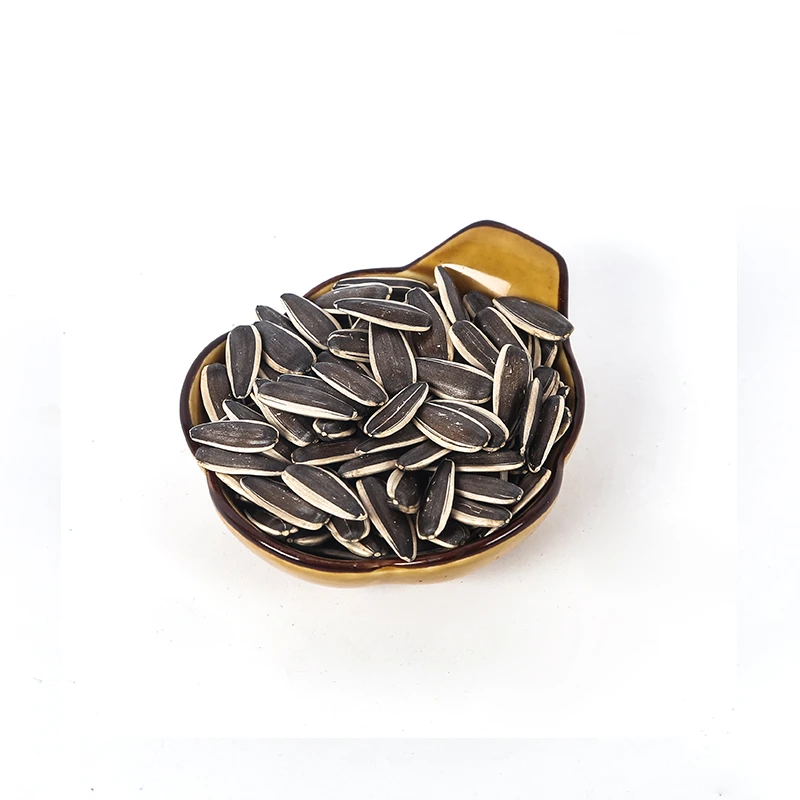
The 40 lb sunflower seed factory represents a critical node in the agricultural supply chain, bridging primary agricultural production with the consumer packaged goods market. This guide details the technical aspects of processing, packaging, and quality control within such a facility, focusing on maintaining seed viability, preventing lipid oxidation, and ensuring compliance with food safety regulations. Sunflower seeds are categorized as oilseeds, requiring careful handling to preserve their oil content and prevent rancidity. The industry faces consistent pressure to optimize yield, minimize waste, and meet increasing demands for both in-shell and kernel seeds for direct consumption, confectionery applications, and oil extraction. Critical performance metrics include seed moisture content, germination rate (for non-roasted seeds), free fatty acid content, and adherence to permissible levels of aflatoxins and other contaminants. This document provides an in-depth analysis of the materials, processes, and engineering considerations inherent in operating a modern 40 lb sunflower seed processing facility.
Material Science & Manufacturing
Sunflower seeds themselves are a complex biological material. The seed coat (pericarp) comprises cellulose, hemicellulose, and lignin, providing a protective barrier. The kernel contains approximately 40-50% oil, primarily linoleic acid (an omega-6 fatty acid), with significant quantities of palmitic and stearic acids. Protein content ranges from 20-25%, largely globulins and albumins. Manufacturing begins with field harvesting, typically utilizing combine harvesters equipped with specialized sunflower seed heads. Post-harvest processing involves cleaning (removing stalks, leaves, and debris using air separators and screens), drying (reducing moisture content from approximately 30% to 8-10% using heated air dryers – fluidized bed dryers are common), dehulling (removing the pericarp through impact or friction), and grading (sorting seeds by size and quality). Critical parameters during drying include air temperature (typically 50-60°C to prevent protein denaturation), airflow rate, and drying time. Dehulling efficiency is paramount; excessive damage to the kernel reduces its commercial value. For in-shell seeds, drying is modified to retain structural integrity of the shell. Packaging materials commonly include polypropylene (PP) woven bags with polyethylene (PE) liners to provide a moisture barrier. PE film characteristics, specifically density and melt index, influence barrier properties and seal strength.
Performance & Engineering
Engineering considerations center around maintaining seed quality throughout processing. Force analysis is crucial in designing dehulling equipment; impact forces must be sufficient to crack the pericarp without damaging the kernel. Finite Element Analysis (FEA) is employed to optimize impactor geometry and material selection (typically hardened steel alloys). Environmental resistance is primarily focused on moisture control. High humidity can lead to mold growth and aflatoxin contamination. Therefore, sealed storage facilities with humidity control systems are essential. Airflow patterns within storage silos must be engineered to prevent temperature stratification and localized humidity buildup. Compliance requirements include adherence to Food and Drug Administration (FDA) regulations regarding Good Manufacturing Practices (GMPs) and Hazard Analysis and Critical Control Points (HACCP) principles. Specifically, control points must be established to monitor moisture content, temperature, and the presence of contaminants. Packaging materials must meet FDA specifications for food contact materials (21 CFR 177). Roasting, a common processing step for confectionery seeds, requires precise temperature and time control to develop flavor without causing excessive oil oxidation. Heat transfer calculations and process optimization are critical.
Technical Specifications
| Parameter | Specification (In-Shell Seeds) | Specification (Kernel Seeds) | Test Method |
|---|---|---|---|
| Moisture Content | ≤ 8.5% | ≤ 7.0% | AOAC 925.10 |
| Foreign Matter | ≤ 1.0% | ≤ 0.5% | Visual Inspection |
| Damage (Cracked/Broken Kernels) | N/A | ≤ 3.0% | Visual Inspection |
| Oil Content (Dry Basis) | N/A | ≥ 48.0% | Soxhlet Extraction (AOAC 920.85) |
| Free Fatty Acid (FFA) | N/A | ≤ 0.5% | Titration (AOAC 920.12) |
| Aflatoxin B1 | ≤ 20 ppb | ≤ 20 ppb | HPLC (AOAC 991.31) |
Failure Mode & Maintenance
Failure modes in sunflower seed processing are varied. Mechanical failure of dehulling equipment (e.g., impactor breakage) can lead to increased kernel damage and reduced throughput. This is often due to material fatigue or improper impactor hardening. Regular inspection and replacement of impactors based on operational hours are critical. Lipid oxidation, leading to rancidity, is a major concern. This is accelerated by exposure to oxygen, light, and heat. Packaging with oxygen absorbers and UV-blocking materials can mitigate this. Mold growth and aflatoxin contamination can occur due to inadequate drying or improper storage conditions. Preventive maintenance includes regular cleaning of processing equipment and monitoring of storage facility humidity and temperature. Delamination of packaging films (PE liners) can compromise moisture barrier properties. This is often caused by exposure to high temperatures or incompatible chemical residues from cleaning agents. Regular inspection of packaging integrity and use of compatible cleaning agents are crucial. Finally, biological degradation caused by insect infestation can occur in storage, requiring the implementation of integrated pest management programs including temperature control, sanitation, and potentially controlled atmosphere storage.
Industry FAQ
Q: What are the primary causes of cracking during the dehulling process, and how can these be minimized?
A: Cracking during dehulling is typically caused by excessive impact force, improper impactor geometry, or seed brittleness due to low moisture content. Minimization strategies include optimizing impactor speed and spacing, ensuring consistent seed moisture levels within the optimal range (8-10%), and using impactors manufactured from materials with appropriate hardness and toughness.
Q: How does the choice of packaging material affect the shelf life of sunflower seeds?
A: Packaging material significantly impacts shelf life. Polypropylene (PP) woven bags with polyethylene (PE) liners offer a reasonable moisture barrier, but the PE density and melt index are critical. Higher density PE provides better barrier properties. Including oxygen absorbers within the packaging further extends shelf life by reducing lipid oxidation. UV-blocking additives in the PE film protect against light-induced degradation.
Q: What are the critical control points for aflatoxin contamination in a sunflower seed processing facility?
A: Critical control points include pre-harvest monitoring of fields for fungal infection, thorough cleaning of harvested seeds to remove contaminated debris, proper drying to reduce moisture content (a key factor in mold growth), and regular testing of finished products for aflatoxin levels. Maintaining a clean and sanitary processing environment is also paramount.
Q: What methods are used to monitor and control the moisture content of sunflower seeds throughout the processing chain?
A: Moisture content is typically monitored using calibrated moisture meters based on electrical resistance or capacitance measurements. These are used at intake, during drying, and prior to packaging. Continuous monitoring systems in dryers provide real-time feedback for process control. Regular laboratory analysis using the oven-drying method (AOAC 925.10) is used to validate meter readings.
Q: What are the key maintenance procedures for preventing failures in sunflower seed drying equipment?
A: Key maintenance procedures include regular inspection of airflow ducts for blockages, cleaning of air filters to maintain optimal airflow, checking and lubricating fan bearings, and inspecting heating elements for damage. Periodic thermal imaging can identify hot spots indicating potential failures. Proper calibration of temperature sensors is also crucial.
Conclusion
The efficient and reliable operation of a 40 lb sunflower seed factory hinges on a thorough understanding of the material science governing seed quality, precise control of manufacturing processes, and diligent adherence to food safety regulations. Maintaining optimal moisture content, preventing lipid oxidation, and minimizing mechanical damage are paramount to preserving seed viability and commercial value. Consistent monitoring of critical parameters, proactive maintenance of equipment, and robust quality control measures are essential for long-term success.
Future trends in the industry will likely focus on advanced drying technologies (e.g., microwave drying), improved dehulling techniques minimizing kernel damage, and the development of novel packaging materials with enhanced barrier properties and biodegradability. Continued research into aflatoxin mitigation strategies and the implementation of blockchain technology for traceability will also be important considerations for sunflower seed processing facilities seeking to remain competitive and meet evolving consumer demands.
