Introduction
40 lb sunflower seeds represent a significant commodity in the global agricultural market, primarily utilized for edible oil production, confectionery applications, and birdseed. Exporters specializing in this volume are integral to the supply chain, navigating a complex landscape of agricultural regulations, quality standards, and logistical challenges. This guide provides an in-depth technical overview of the key considerations for exporters of 40 lb sunflower seeds, encompassing material science, manufacturing processes (specifically regarding post-harvest handling), performance characteristics impacting shelf-life and oil yield, potential failure modes, and relevant international standards. The core performance metrics revolve around oil content, moisture level, seed integrity (damage percentage), and levels of contaminants. Successful export requires precise control of these parameters and adherence to destination-country import regulations. The increasing demand for high-oleic sunflower varieties necessitates specialized understanding of fatty acid profiles and analytical testing procedures.
Material Science & Manufacturing
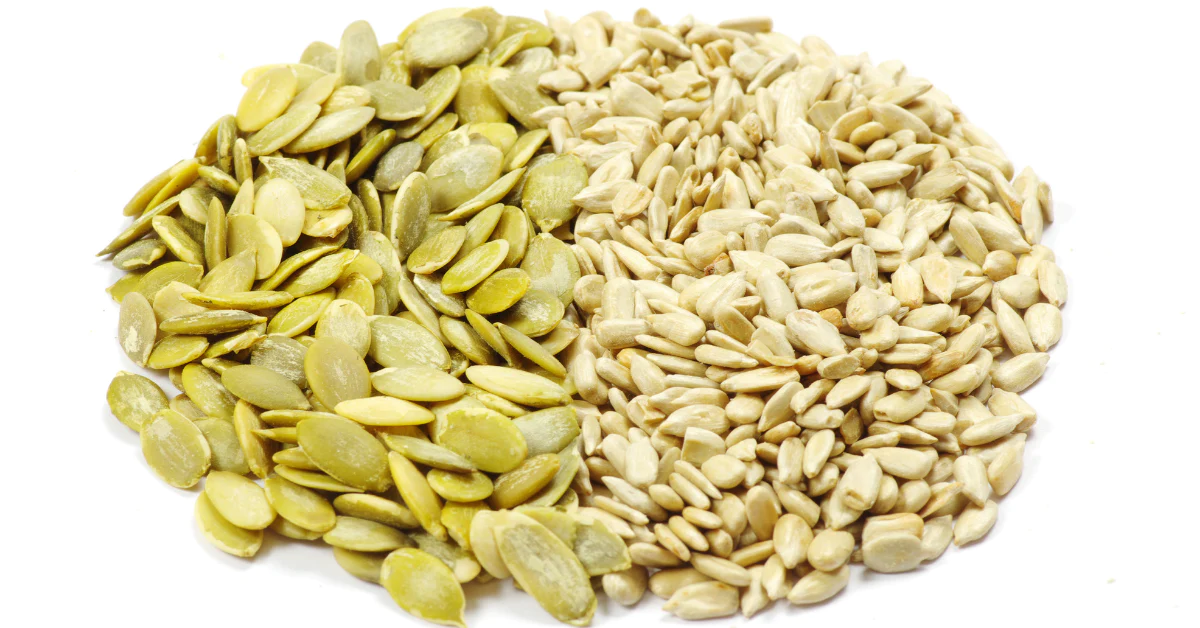
Sunflower seeds ( Helianthus annuus ) consist primarily of an oil-rich kernel enclosed within a hull (or husk). The kernel composition is roughly 50-60% oil, 20-30% protein, and 10-20% carbohydrate. The oil itself is composed of triglycerides, with varying proportions of linoleic acid, oleic acid, and palmitic acid. The hull provides physical protection but contributes minimally to the nutritional value. The manufacturing process begins with harvesting, typically via combine harvesters. Crucially, seed moisture content at harvest significantly impacts storage life. Optimal moisture content is around 9-10%. Post-harvest processing involves cleaning (removing debris, stems, and leaves), drying (to achieve and maintain target moisture), dehulling (optional, depending on end-use), sizing (grading based on seed diameter), and polishing. Drying utilizes forced air systems, and temperature control is critical to prevent protein denaturation and oil degradation. Improper drying leads to cracking and increased susceptibility to mold growth. Dehulling, when performed, employs mechanical abrasion. Seed breakage during dehulling reduces oil yield and impacts seed quality. The control of aflatoxin contamination is paramount; rigorous screening and handling practices are necessary to meet international safety standards. Storage conditions – temperature, humidity, and aeration – are also key parameters to maintain seed viability and quality.
Performance & Engineering
The performance of 40 lb sunflower seeds, from an exporter’s perspective, is determined by several engineering and scientific principles. First, the packaging itself must provide adequate protection against moisture ingress, physical damage during transit, and insect infestation. Materials such as polypropylene woven bags with polyethylene liners are commonly used. Bag tensile strength is a crucial factor. Second, the seeds’ inherent physical properties – shell strength, kernel hardness, and oil body structure – influence their processability during oil extraction. Force analysis during dehulling and oil pressing reveals the energy requirements for optimal separation and yield. Environmental resistance concerns center around temperature and humidity fluctuations during storage and transport. High humidity promotes mold growth and aflatoxin production, while extreme temperatures can cause lipid oxidation and rancidity. Compliance requirements include adherence to maximum permissible levels of heavy metals (lead, cadmium), pesticides, and mycotoxins (aflatoxins) as stipulated by importing countries (e.g., the European Union’s regulations on contaminants in food). The functional implementation is often linked to oil extraction efficiency; higher oil content and lower hull percentage directly correlate to greater profitability for downstream processors.
Technical Specifications
| Parameter | Unit | Typical Value | Acceptable Range (Export Grade) |
|---|---|---|---|
| Oil Content (Dry Basis) | % | 42-48 | 40-50 |
| Moisture Content | % | 9-10 | 8-12 |
| Foreign Matter (FM) | % | 0.5 | ≤ 1.0 |
| Damaged Kernels (DK) | % | 1.0 | ≤ 2.0 |
| Hull Content | % | 20-30 | Variable, based on contract |
| Aflatoxin B1 | ppb | <2 | ≤ 5 (EU Standard) |
Failure Mode & Maintenance
Failure modes for 40 lb sunflower seeds during export relate to quality degradation during storage and transport. Common failures include: Mold Growth & Aflatoxin Contamination: Caused by high moisture content and inadequate storage ventilation. Lipid Oxidation & Rancidity: Resulting from exposure to oxygen, light, and elevated temperatures, leading to off-flavors and reduced oil quality. Physical Damage (Cracking & Breakage): Occurring during handling, dehulling, or transport, reducing oil yield and seed value. Insect Infestation: Leading to seed loss and contamination. Loss of Germination Rate: Important for seed used for propagation; compromised by improper drying and storage. Maintenance and preventative measures involve strict moisture control, proper ventilation in storage facilities, regular inspections for insect activity, utilizing appropriate packaging materials, and controlling temperature during transport. Aflatoxin testing should be conducted at multiple stages: post-harvest, before shipment, and upon arrival at the destination. Implementing a robust Quality Management System (QMS) based on HACCP principles is critical for mitigating these risks. Regularly calibrating moisture meters and analytical equipment is also vital.
Industry FAQ
Q: What is the significance of the acid value in sunflower seeds, and what limits are typically imposed by importers?
A: Acid value is a measure of the free fatty acids present in the oil, indicating the extent of lipid hydrolysis and potential rancidity. Higher acid values signify lower oil quality. Importers typically impose limits of ≤ 0.3-0.5 mg KOH/g oil, depending on the intended end-use. Exceeding these limits results in rejection of the shipment.
Q: How does the iodine value relate to sunflower oil quality and what specifications are important for exporters?
A: Iodine value indicates the degree of unsaturation in the oil. Higher iodine values correspond to a greater proportion of unsaturated fatty acids. For sunflower oil, a typical iodine value range is 115-130. High-oleic sunflower oil will have a significantly lower iodine value (around 80-90). Importers specify iodine value requirements based on the desired oil characteristics (e.g., stability, suitability for frying).
Q: What are the primary differences between conventional and high-oleic sunflower seeds and how do these impact export pricing?
A: Conventional sunflower seeds contain a mixture of linoleic and oleic acids, whereas high-oleic varieties are bred to have a significantly higher proportion of oleic acid (typically >70%). High-oleic oil is more stable at high temperatures, making it ideal for frying, and has a longer shelf life. Consequently, high-oleic seeds command a premium price in the export market, often 10-20% higher than conventional seeds.
Q: What documentation is typically required for exporting 40 lb sunflower seeds, beyond the standard Bill of Lading and Commercial Invoice?
A: In addition to the standard documents, exporters typically need to provide a Phytosanitary Certificate (confirming the seeds are free from plant diseases), a Certificate of Analysis (detailing oil content, moisture, acid value, aflatoxin levels, and other key parameters), and potentially a Certificate of Origin (for tariff purposes). Some importing countries may also require specific import permits or health certificates.
Q: What are the best practices for preventing aflatoxin contamination during the pre-export stage?
A: Preventing aflatoxin contamination requires a multi-pronged approach. This includes selecting aflatoxin-resistant sunflower varieties, minimizing mechanical damage during harvesting and handling, ensuring rapid and thorough drying to reach a safe moisture content, practicing proper storage sanitation (cleaning and disinfecting storage facilities), and implementing regular aflatoxin testing throughout the process. Utilizing appropriate storage aeration systems and avoiding prolonged storage periods are also critical.
Conclusion
The successful export of 40 lb sunflower seeds demands a rigorous understanding of the interplay between agricultural science, material properties, and international trade regulations. Maintaining optimal moisture content, preventing physical damage, and adhering to stringent quality control measures are paramount to minimizing failure modes and ensuring product integrity. The increasing market preference for high-oleic varieties necessitates specialized expertise in fatty acid profiling and analytical testing.
Future trends will likely focus on sustainable agricultural practices, traceability systems utilizing blockchain technology, and advanced analytical methods for rapid aflatoxin detection. Exporters who invest in these areas will be best positioned to navigate the evolving demands of the global sunflower seed market and secure long-term profitability. A comprehensive and proactive approach to quality management is not merely a compliance issue, but a key competitive advantage.
