Introduction
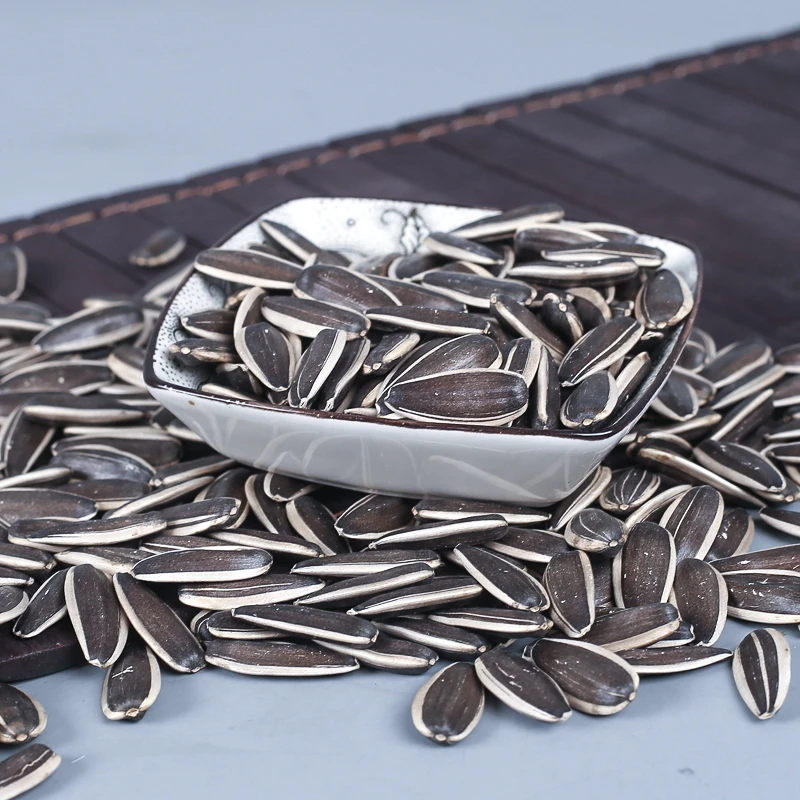
40 lb sunflower seeds, as a globally traded agricultural commodity, represent a significant portion of the oilseed market. This technical guide addresses the critical aspects of sunflower seed quality, handling, and export, focusing on parameters vital for international trade and industrial processing. Sunflower seeds are primarily categorized into confectionary (in-shell for direct consumption) and oilseed (for oil extraction) types, each requiring distinct quality control measures. The seed’s inherent properties – oil content, protein levels, hulling percentage, and moisture content – dictate its suitability for specific applications. This guide will delve into these characteristics, exploring the manufacturing processes involved in preparing sunflower seeds for export, analyzing performance factors related to storage and transport, and outlining potential failure modes and preventative maintenance strategies. Understanding these aspects is paramount for exporters aiming to meet stringent international standards and maintain customer satisfaction.
Material Science & Manufacturing
Sunflower seeds ( Helianthus annuus) are composed primarily of lipids (35-58%), proteins (18-25%), carbohydrates (10-20%), and fiber (6-12%), with moisture content ranging between 6-14%. The lipid composition is crucial, primarily consisting of linoleic acid (omega-6) and oleic acid (omega-9). Hull composition is largely cellulose and lignin, contributing to the seed’s structural integrity. Manufacturing begins with seed selection, typically categorized by size and density. Cleaning processes involve removing debris (stalks, leaves, stones) using a combination of screening, aspiration, and magnetic separation. Drying is a critical step; seeds are typically dried to 8-10% moisture content using controlled-temperature air dryers (fluidized bed or recirculating dryers) to prevent fungal growth and lipid oxidation. Post-drying, seeds may undergo sizing and grading based on diameter and weight. Confectionary seeds are often coated with seasonings or roasted, requiring precise temperature control to avoid scorching and maintain flavor profiles. Oilseed processing involves dehulling, flaking, and oil extraction utilizing mechanical pressing and/or solvent extraction (hexane). Key parameter control includes maintaining optimal drying temperatures (below 60°C to prevent protein denaturation), ensuring efficient cleaning to minimize foreign material, and monitoring seed moisture content throughout the process. Seed conditioning and storage environment are vital to prevent lipid peroxidation and maintain germination rates (for seed destined for re-planting).
Performance & Engineering
The structural integrity of the seed and its packaged form are vital for maintaining quality during transport. Force analysis during handling (loading, unloading, stacking) reveals that seeds are susceptible to cracking and hull damage under compressive loads. Packaging must therefore provide adequate cushioning and stacking strength. Environmental resistance is paramount; exposure to humidity promotes fungal growth ( Aspergillus flavus, Penicillium species) leading to aflatoxin contamination – a significant food safety concern. Temperature fluctuations accelerate lipid oxidation, reducing oil quality and creating off-flavors. Compliance requirements vary by importing country, but generally adhere to standards set by Codex Alimentarius. Specifically, limits on aflatoxin levels (typically <20 ppb), moisture content, foreign matter, and pesticide residues are stringently enforced. Packaging materials must also comply with food contact regulations (FDA in the US, EFSA in Europe). Functional implementation of packaging includes utilizing moisture barrier films (polyethylene, polypropylene) and gas flushing (nitrogen) to minimize oxygen exposure. For oilseed processing, the efficiency of oil extraction is a critical performance parameter, influenced by seed size, moisture content, and pre-treatment methods. Maintaining a consistent supply of seeds meeting specified oil content and protein levels is vital for optimal oil yield and quality.
Technical Specifications
| Parameter | Confectionary Grade | Oilseed Grade | Unit |
|---|---|---|---|
| Oil Content | 48-54 | 42-50 | % (dry weight basis) |
| Protein Content | 20-24 | 18-22 | % (dry weight basis) |
| Moisture Content | 8-10 | 8-10 | % |
| Hull Percentage | 28-34 | 35-42 | % |
| Kernel Size (Diameter) | 16-20 | 14-18 | mm |
| Aflatoxin Level | <2 ppb | <20 ppb | ppb |
Failure Mode & Maintenance
Failure modes in sunflower seed exports can be categorized into physical, chemical, and biological. Physical failures include kernel cracking during handling due to insufficient packaging strength or improper loading/unloading procedures. Chemical failures relate primarily to lipid oxidation, resulting in rancidity and reduced oil quality, exacerbated by exposure to oxygen, light, and elevated temperatures. Biological failures are caused by fungal contamination (aflatoxins) and insect infestation during storage and transport. Fatigue cracking in packaging materials can lead to moisture ingress and contamination. Delamination of packaging films reduces barrier properties. Degradation of packaging materials due to UV exposure diminishes their protective capabilities. Oxidation of lipids leads to off-flavors and reduces nutritional value. Maintenance solutions include utilizing robust packaging materials with adequate moisture and oxygen barriers, implementing strict temperature and humidity control during storage and transport (below 25°C and 65% relative humidity, respectively), regular inspection for insect infestation, and adherence to proper sanitation practices. Proper stock rotation (FIFO – First In, First Out) is crucial to minimize storage time and prevent degradation. Aflatoxin testing should be conducted at multiple stages – post-harvest, pre-shipment, and upon arrival – to ensure compliance with regulatory limits.
Industry FAQ
Q: What are the primary factors affecting the shelf life of sunflower seeds during export?
A: The primary factors are moisture content, oxygen exposure, temperature, and light. Maintaining low moisture content (<10%), minimizing oxygen through packaging (nitrogen flushing), controlling temperature below 25°C, and protecting seeds from direct sunlight are crucial for maximizing shelf life and preventing lipid oxidation and fungal growth.
Q: What packaging materials are recommended for long-term storage and international transport of 40 lb sunflower seeds?
A: Multi-layer packaging combining polyethylene (PE) or polypropylene (PP) inner liners for moisture protection with an outer layer of woven polypropylene or paperboard for structural integrity is recommended. Gas-tight seals and the inclusion of oxygen absorbers are beneficial for extended storage. Consider using UV-resistant coatings on outer layers to protect against degradation.
Q: How is aflatoxin contamination monitored and controlled throughout the export process?
A: Aflatoxin monitoring begins with pre-harvest assessments of the growing region and continues with regular sampling and testing throughout the harvest, drying, cleaning, and storage phases. Rapid aflatoxin test kits (ELISA-based) are commonly used for preliminary screening, with confirmatory analysis performed by HPLC. Seeds exceeding regulatory limits must be rejected or reprocessed.
Q: What are the key differences in quality control procedures for confectionary versus oilseed grade sunflower seeds?
A: Confectionary seeds require stricter size and shape grading, lower hull percentages, and a higher degree of visual cleanliness. Aflatoxin limits are also significantly lower. Oilseed grade focuses more on oil content and protein levels, with a slightly higher tolerance for hull damage and minor imperfections.
Q: What documentation is typically required for exporting sunflower seeds to the European Union?
A: Documentation typically includes a phytosanitary certificate confirming the seeds are free from pests and diseases, a certificate of origin, a commercial invoice, a packing list, a quality analysis report (including aflatoxin levels and oil content), and a declaration of conformity to EU regulations regarding pesticide residues and contaminants.
Conclusion
The successful export of 40 lb sunflower seeds hinges on a comprehensive understanding of the interplay between material science, manufacturing processes, and rigorous quality control. Maintaining optimal moisture content, protecting against lipid oxidation and fungal contamination, and adhering to stringent international standards are paramount. Careful selection of packaging materials, coupled with controlled storage and transport conditions, is essential for preserving seed quality and ensuring customer satisfaction.
Future advancements in sunflower seed breeding and processing technologies will likely focus on enhancing oil content, improving hullability, and increasing resistance to fungal pathogens. Implementing traceability systems utilizing blockchain technology could further enhance supply chain transparency and build consumer confidence. Continuous monitoring of evolving international regulations and adapting export practices accordingly will be critical for sustained success in the global sunflower seed market.
